5 minute read · Ultimo Research Desk · Reviewed 5 Sept 2026
10 Forex Trading Rules Every Trader Should Live By
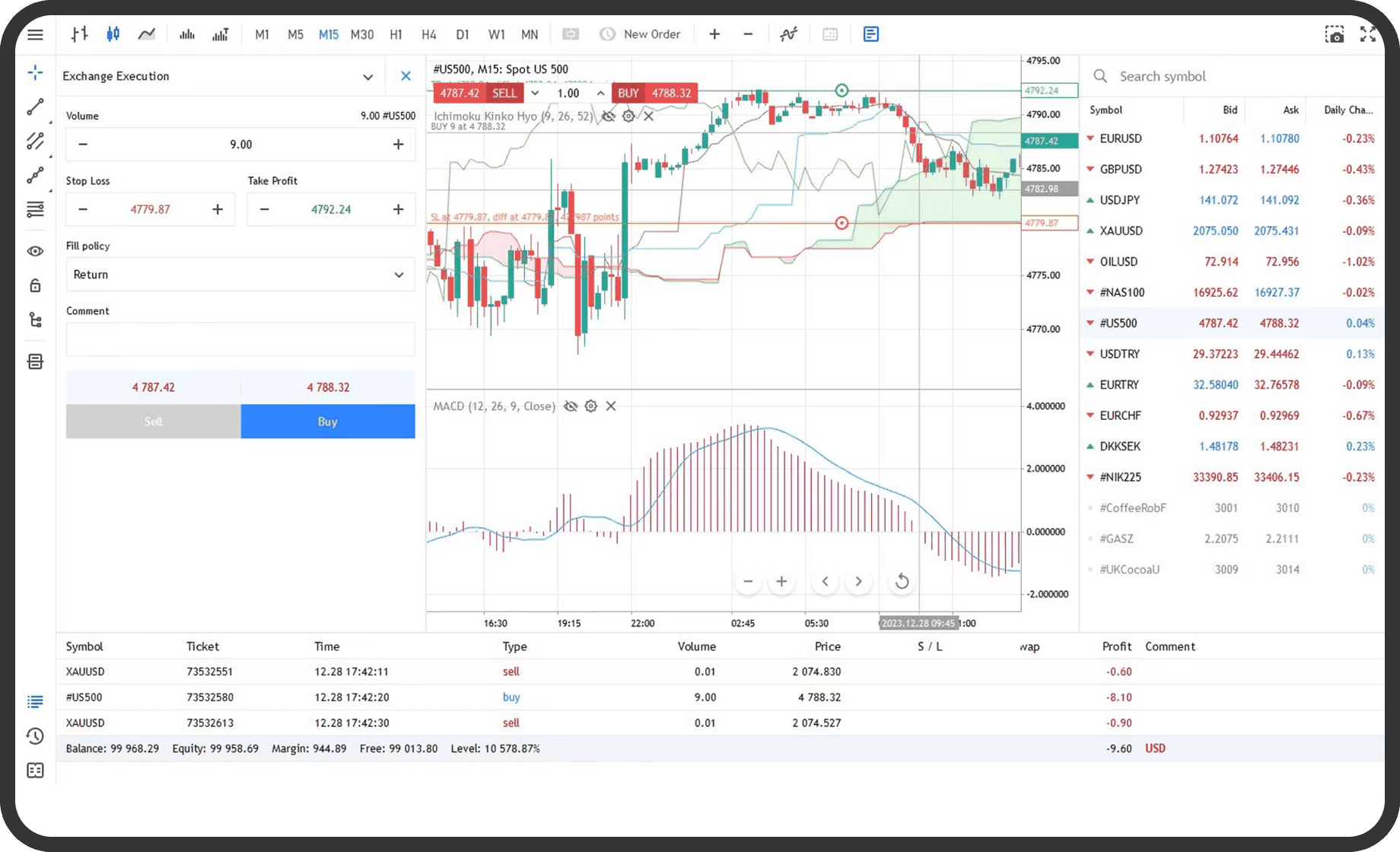
Markets change every day; the rules that keep traders alive don't. These ten rules are the distilled, expensive lessons of generations of traders. None of them will feel exciting — that's exactly why they work.
1. Never Risk More Than 1–2% Per Trade
One trade should never be able to hurt you. Cap risk at 1–2% of your equity and a losing streak becomes a drawdown, not a funeral. This single rule is the difference between trading and gambling.
2. Always Use a Stop-Loss
A stop-loss is the price at which your idea is proven wrong. Place it when you open the trade, at a level that invalidates the setup — then leave it alone. Moving a stop further away to "give the trade room" is how small losses become account-enders.
3. Respect Leverage
Leverage multiplies both sides of the ledger. The leverage available doesn't mean you should use all of it on every trade — it means you have flexibility to size positions properly. Let your risk percentage choose your position size, and leverage becomes a tool instead of a trap.
4. Trade With the Trend Until Proven Otherwise
Counter-trend trading looks clever and pays rarely. The path of least resistance is the prevailing trend on your timeframe; fighting it means paying to be right about turning points, which is the hardest call in trading. Make "what's the trend?" the first question of every analysis.
5. Only Take Trades With a Worthwhile Reward
Demand at least 1.5–2 units of potential reward for every unit of risk. With a 1:2 risk-reward ratio, a 40% win rate still grows your account. Without it, even a good win rate bleeds money after costs.
6. Never Trade Money You Can't Afford to Lose
Rent money makes terrible trading capital — it forces desperate decisions. Fund your account only with money whose loss would not change your life. Paradoxically, traders who don't need the money trade far better than those who do.
7. Keep a Journal — and Actually Read It
Record every trade: the setup, the numbers, the outcome and one honest line about your state of mind. Review weekly. Your journal will show you truths no mentor can: which setups pay you, which hours hurt you, which mistake you keep repeating.
8. Never Revenge Trade
The most dangerous moment in trading is the minute after a loss. The urge to "win it back" immediately is your emotions taking the wheel. Build the rule in advance: after two consecutive losses, you're done for the day. The market reopens tomorrow; blown accounts don't.
9. Know What's on the Calendar
Central bank decisions, inflation prints and employment reports can move a currency pair more in one minute than in a normal week. Check the economic calendar before every session. Holding a leveraged position blind through a news event isn't trading — it's a coin flip with spreads.
10. Protect Your Capital First, Profits Second
Every rule above is really this one rule wearing different clothes. Your capital is your inventory; without it, no strategy, no comeback, no compounding. Professionals think about survival first — profit is what happens while you're busy not losing.
Why the Rules Fail: They Are Not Written Down
Every trader agrees with these rules while reading them. Most break several within a month. The failure is almost never ignorance — it is that a rule you hold in your head is a preference, and a preference loses to whatever you are feeling at the moment the market moves.
The traders who follow rules have made them concrete in three ways.
They are specific enough to be tested against. "Manage risk" cannot be broken because it cannot be checked. "Risk no more than 1.5% and never more than three open positions" either happened or did not. Rewrite anything you cannot audit at the end of the week.
The decision is made before the position exists. Entry, stop, size and target are set while nothing is at stake. Once money is on the line, the part of you deciding is not the same part that wrote the plan, and it will argue convincingly for exceptions.
The rule is enforced by something other than willpower. A stop-loss placed with the order is a rule enforced by the platform. A stop you "will place if it moves against me" is an intention. The difference is not discipline — it is architecture.
The Rule Behind the Rules
If you keep only one thing from this list, keep this: survive long enough to get good.
Every rule here reduces to the same arithmetic. A 10% drawdown needs an 11% gain to recover. A 50% drawdown needs 100%. An 80% drawdown needs 400% — which, for practical purposes, is over.
That asymmetry is why professionals sound boring. They are not trying to maximise this month; they are trying to still be trading in three years, by which time a modest edge applied consistently has compounded into something a spectacular month never could.
The trader who risks 1% per trade can be wrong ten times in a row and still have 90% of their account and their judgement intact. The trader who risks 20% is finished in five, and will have spent those five making increasingly desperate decisions.
Nothing here requires talent. It requires accepting that the goal is not to be right — it is to be still here.
Put the Rules to Work
Rules only matter on a platform that lets you execute them cleanly: precise stop and limit orders, transparent pricing, fast fills. Practice these ten on a free demo account, then trade them live with Ultimo — 20+ pairs, zero commission, competitive spreads, and the discipline-friendly tools of MetaTrader 5, regulated by the FSC of Mauritius (GB24203027).
Written by the Ultimo Research Desk and checked against our own contract specifications and client agreement before publication; reviewed again when those change. Educational only — nothing here is a recommendation to trade. Spotted an error? Tell us.
Ready to see how forex trades at Ultimo?
Forex trading