Understand the product before you trade.
Eighty-four guides from our research desk on how trading works in practice — what each market is, what a trade costs in money rather than in pips, how the platform executes an order, and how risk is managed. They are written for clients and prospective clients who want to understand the product before using it.
Start here
For readers new to trading, in this order: what the market is, what a CFD is, which instrument suits your timeframe, how to assess a broker, and how margin calls happen.
13 minute read
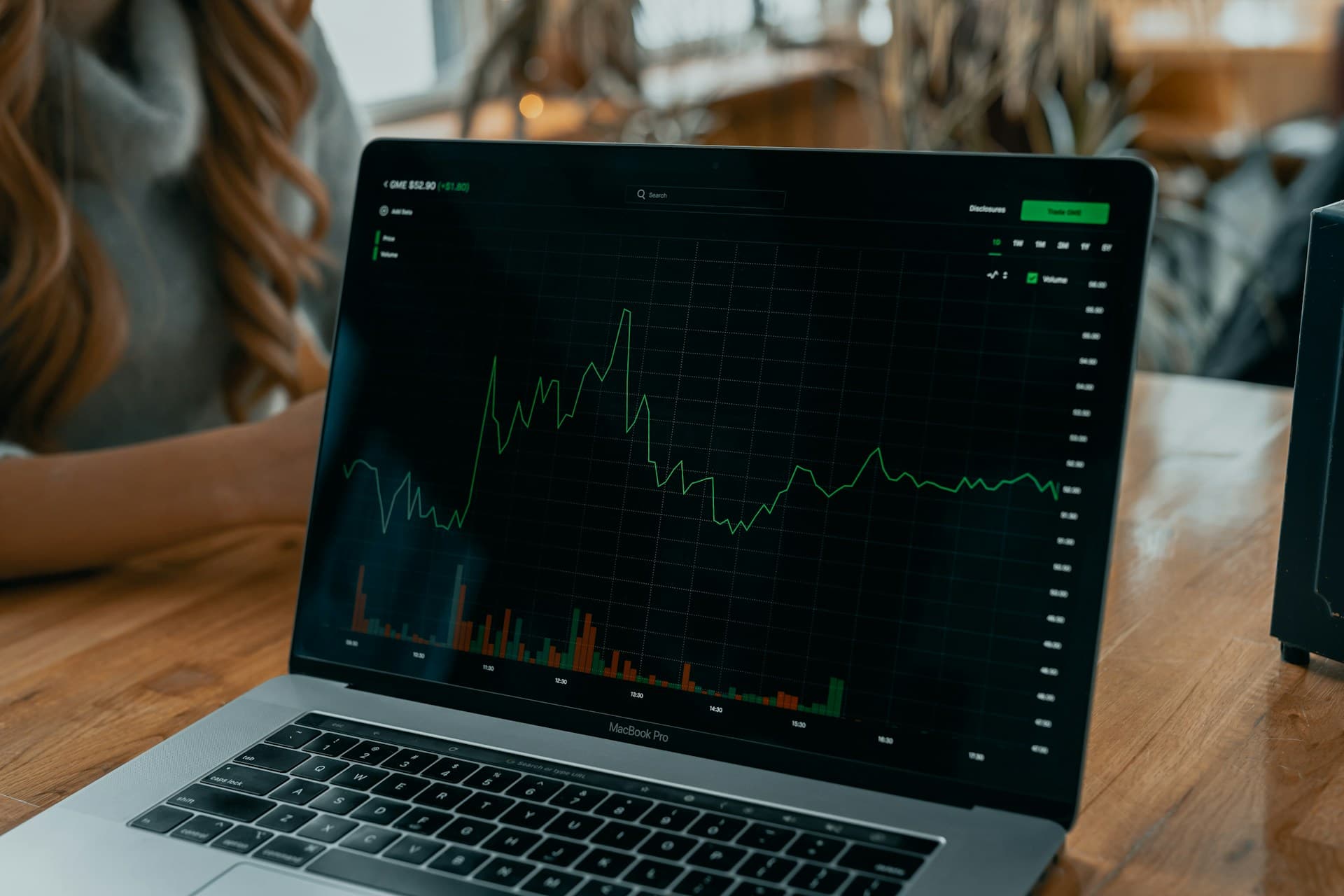
What is Forex Trading? A Complete Beginner’s Guide
How the currency market works: reading a quote, what a trade costs in money, leverage and margin calls, two worked examples, and who forex is not for.
12 minute read
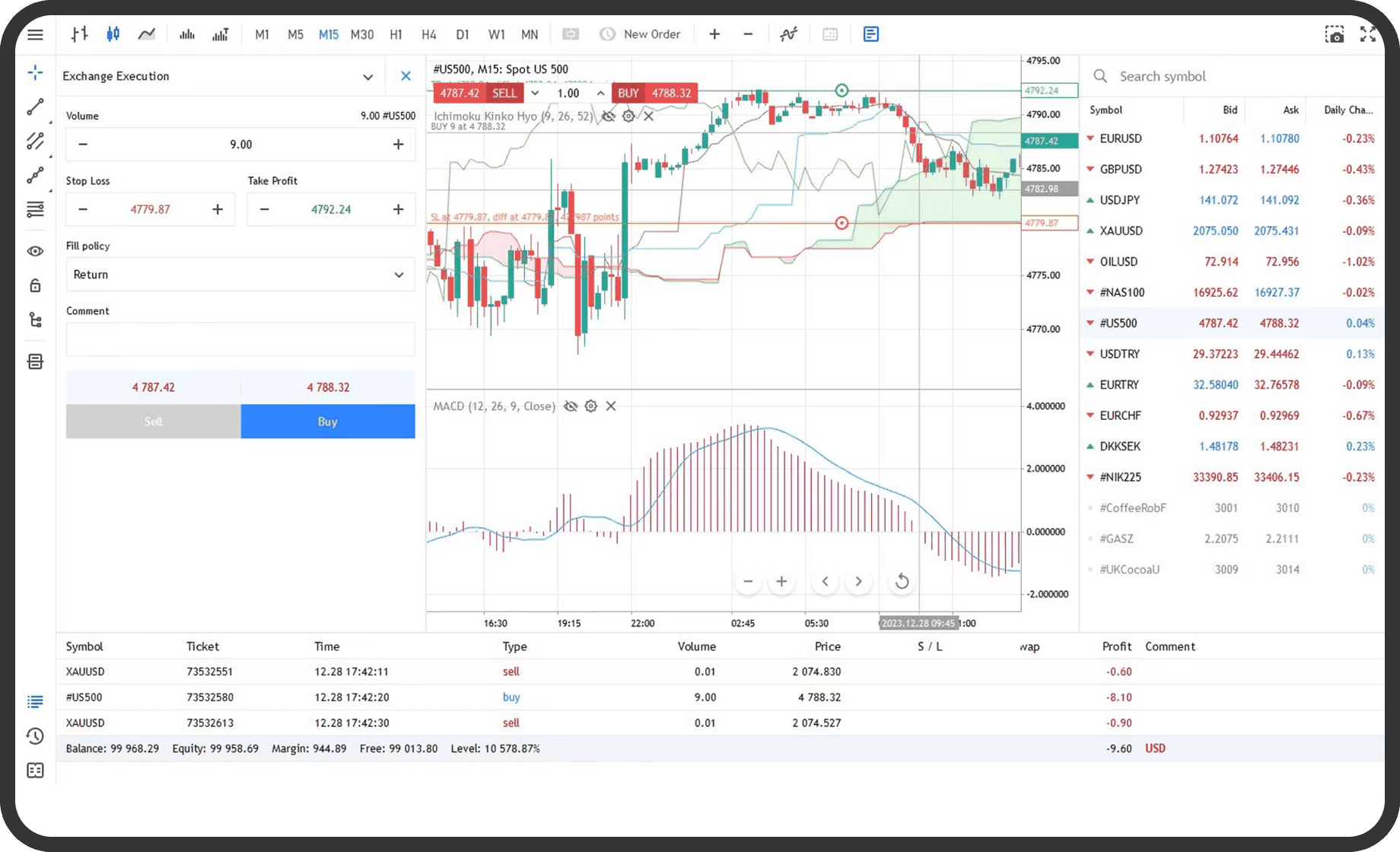
What is CFD Trading? Ownership, Leverage, Costs and Risk
What a CFD is, what you own (nothing), how leverage and margin really work, what a trade costs, and how CFDs differ from shares, futures and spot forex.
5 minute read
CFDs vs Shares, Futures and Options: Which Does What
Four ways to take the same view, compared on what you own, what it costs to hold and what can go wrong — so the instrument matches your timeframe.

6 minute read
How to Choose a Regulated Forex Broker: A 7-Point Checklist
Regulation, fund segregation, execution quality, real trading costs — the seven things to verify before you trust any forex broker with your money.
7 minute read
How to Open a Forex Trading Account
What a broker asks for when you open a forex trading account, why each item is required, how long verification takes, and what to do before the first deposit.
5 minute read
What Is a Margin Call? (And How Never to Get One)
Margin, free margin, margin level, stop-out — how leveraged trading accounts really work, why margin calls happen, and the habits that prevent them.
What each market is
One guide per market: what is actually being traded, what moves the price, and what it costs to hold a position.
6 minute read
What is Stocks Trading? From First Share to Real Strategy
How the stock market works: shares, exchanges, dividends, analysis styles and CFD trading — a practical guide for first-time stock traders.
4 minute read
What is Indices Trading? S&P 500 and NASDAQ CFDs
How stock index trading works — S&P 500, NASDAQ 100, DAX, FTSE — what moves index prices, cash vs futures CFDs, and strategies for trading indices.

5 minute read
What is Metals Trading? Gold, Silver and Copper
How gold and silver trading works, what moves precious metal prices, spot vs futures vs CFDs, popular strategies, and how to start trading metals.

5 minute read
What is Energy Trading?
Crude oil, natural gas, electricity and renewables: how energy markets work, what drives prices, and how to trade them.
5 minute read
What is Agricultural Trading?
Grains, softs and livestock: how agricultural commodities markets work, what moves prices, and how to trade them with proper risk management.
7 minute read
What is Bond Trading? Understanding Fixed-Income Securities
How bonds work: the main types, how price and yield move against each other, what a bond CFD changes, and the risks that matter most.
Bonds and Eurobonds
A market few CFD brokers offer. What a Eurobond CFD on MetaTrader 5 is, how it differs from owning the bond, the arithmetic of prices, coupons and yields, and the distinction between government and corporate issuers.
8 minute read
Can You Trade Eurobonds on MetaTrader 5?
Yes, as CFDs, if your broker lists them. What a Eurobond CFD on MT5 is, how it differs from owning the bond, and six things to check in the symbol first.
8 minute read
Eurobond CFDs vs Owning Eurobonds: What Actually Changes
A cash Eurobond gives you a claim on the issuer and its coupons. A CFD gives you the price move, long or short. Side by side, with the coupon-is-not-profit sum.
9 minute read
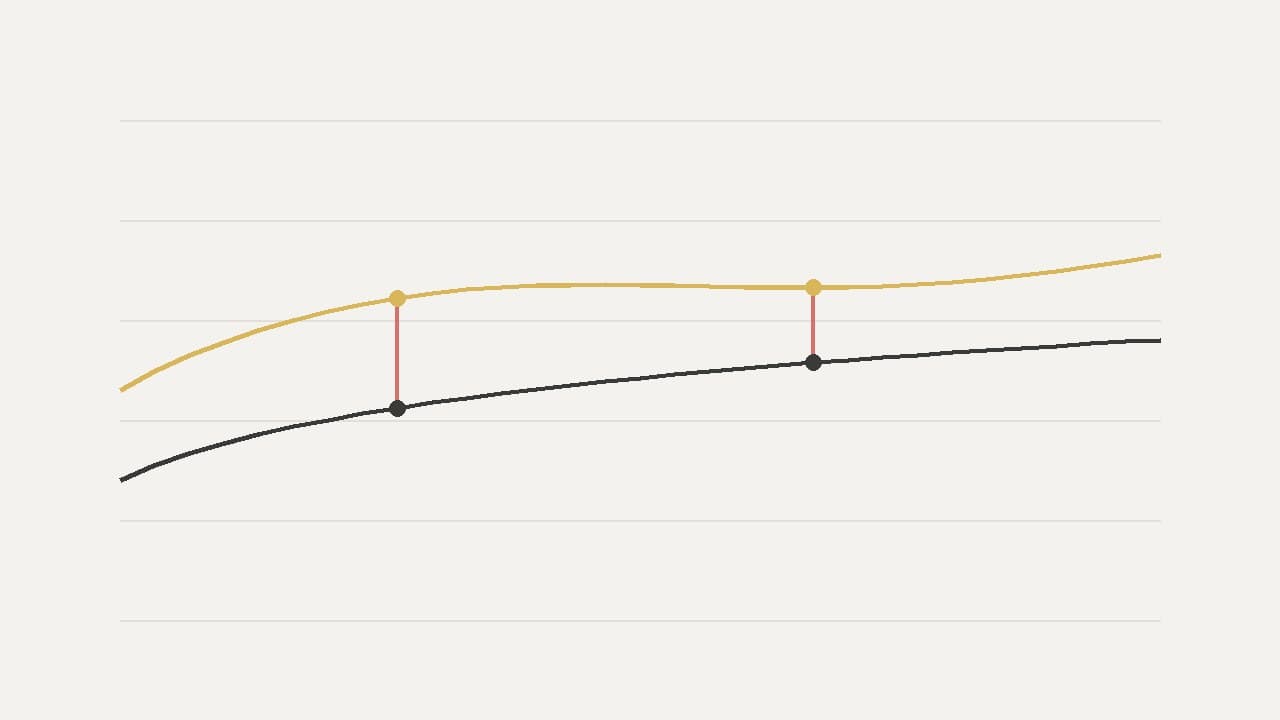
How Eurobond Prices, Coupons and Yields Work
Price in percent of face, coupon, current yield, accrued interest and yield to maturity — each worked in dollars on one bond.
7 minute read
Government Bond CFDs vs Corporate Eurobonds: Two Different Questions
Government vs corporate is about who owes the money; bond vs CFD is about what you hold. Untangle both before comparing a Bund CFD with a corporate Eurobond.
Trust and your money
How to verify a broker against the regulator’s register, what a licence does and does not cover, and what segregated client funds do and do not protect.

9 minute read
How to Verify a Mauritius FSC Broker — and What the Licence Does Not Cover
Five ten-minute checks: legal entity, the FSC register, licence category, contact route — and the four things a licence does not cover. Worked on Ultimo.

7 minute read
Segregated Client Funds Explained: What the Term Does and Does Not Mean
Segregation means client money is held apart from the broker’s own. It does not refund losses, promise instant withdrawals or stop an account going negative.
Funding the account
Funding by cryptocurrency: the network choice that cannot be undone, which fees apply, and how to trace a deposit that has not yet arrived.
7 minute read
How to Fund an MT5 Account with Crypto, Step by Step
Get the address from the portal, match coin and network exactly, send from your own wallet, then move it to MT5. Six steps, and whose fee is whose.

7 minute read
Crypto Deposit Not Showing? Networks, Timing and the Errors That Cause It
A missing crypto deposit is stuck at one of four stages: not sent, unconfirmed, not credited, not moved to MT5. How to tell which, and what never to do.
What it costs
Spreads, commission, financing and margin, worked through in money rather than in pips — including how a broker earns its revenue.
7 minute read
The Real Cost of a Forex Trade: Spread, Commission and Swap Added Up
One 0.10-lot EURUSD trade with every cost in dollars — spread, commission, published swap — and the double-count that makes a trade look dearer than it was.
7 minute read
Standard vs Raw Account: Which One, and the Arithmetic
Standard pays in the spread, Raw pays a commission on the liquidity providers' spread. The break-even in trades per day, worked on EUR/USD and gold.
5 minute read
Forex Spreads Explained: What You Actually Pay to Trade
Bid, ask, and the spread between them — how forex pricing really works, what widens spreads, and how to keep your trading costs low.
5 minute read
Forex Swap Fees: The Overnight Cost of Holding a Trade
What swap (rollover) fees are, how they’re calculated from interest-rate differentials, when they turn positive, and how to manage them in your trading.
5 minute read
How Does a Forex Broker Actually Make Money?
Spread, commission, financing and order flow: where a broker’s revenue really comes from, where the conflict of interest sits, and what to ask.

5 minute read
Swap-Free Accounts: What They Actually Cost
How Islamic swap-free accounts really work: what replaces the overnight interest, the fees to look for, and how to compare one against a standard account.

8 minute read
How Much Margin Does an XAUUSD Trade Need?
Gold margin from the published 100 oz contract: exposure, margin at three assumed leverage ratios, and why margin is not your maximum loss. Plus the sizing sum.
The platform
Which MetaTrader version to use, how MT5 and TradingView divide the work, and what each order type does — including which orders continue to work when the terminal is closed and which do not.
6 minute read
MT4 vs MT5: Which MetaTrader Should You Use?
What really differs between MetaTrader 4 and 5 — hedging versus netting, MQL4 versus MQL5, backtesting — and why MetaQuotes stopped licensing MT4.
8 minute read
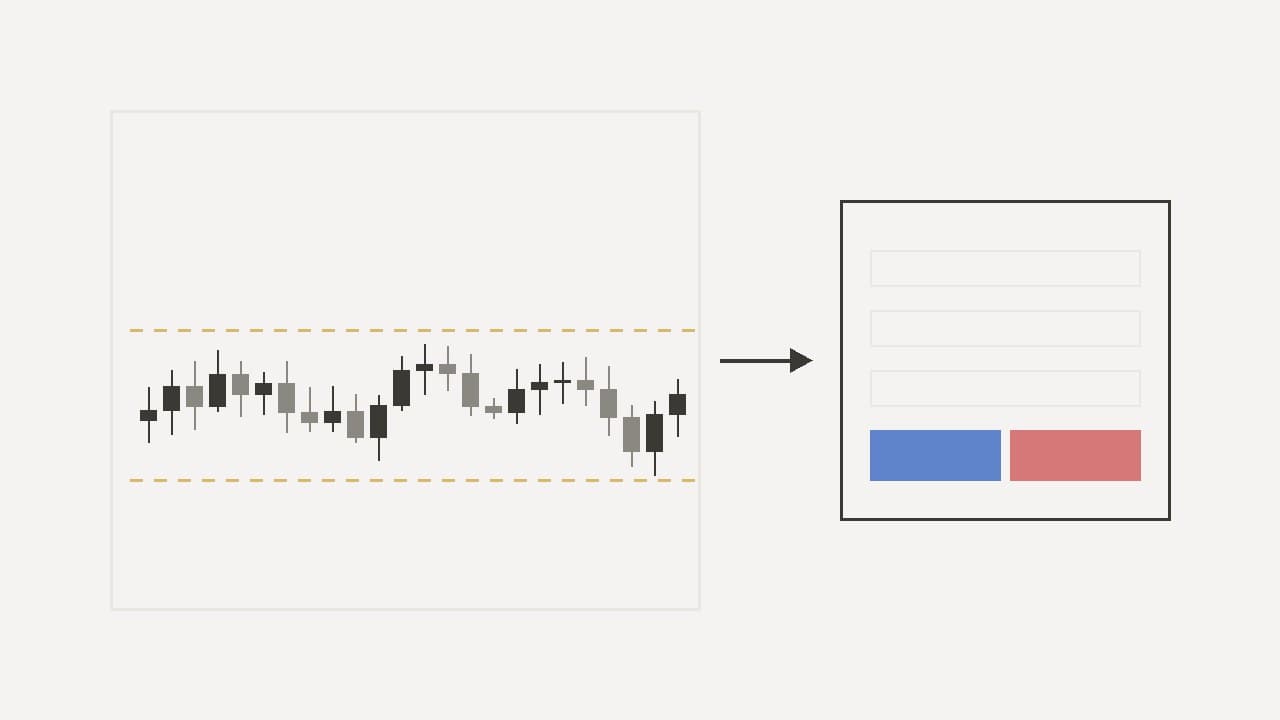
MT5 vs TradingView: Chart on One, Trade on the Other — Without Getting Hurt
What each platform is for, why the two show different prices, the four places a chart-here-trade-there workflow goes wrong, and how to keep them in step.
8 minute read
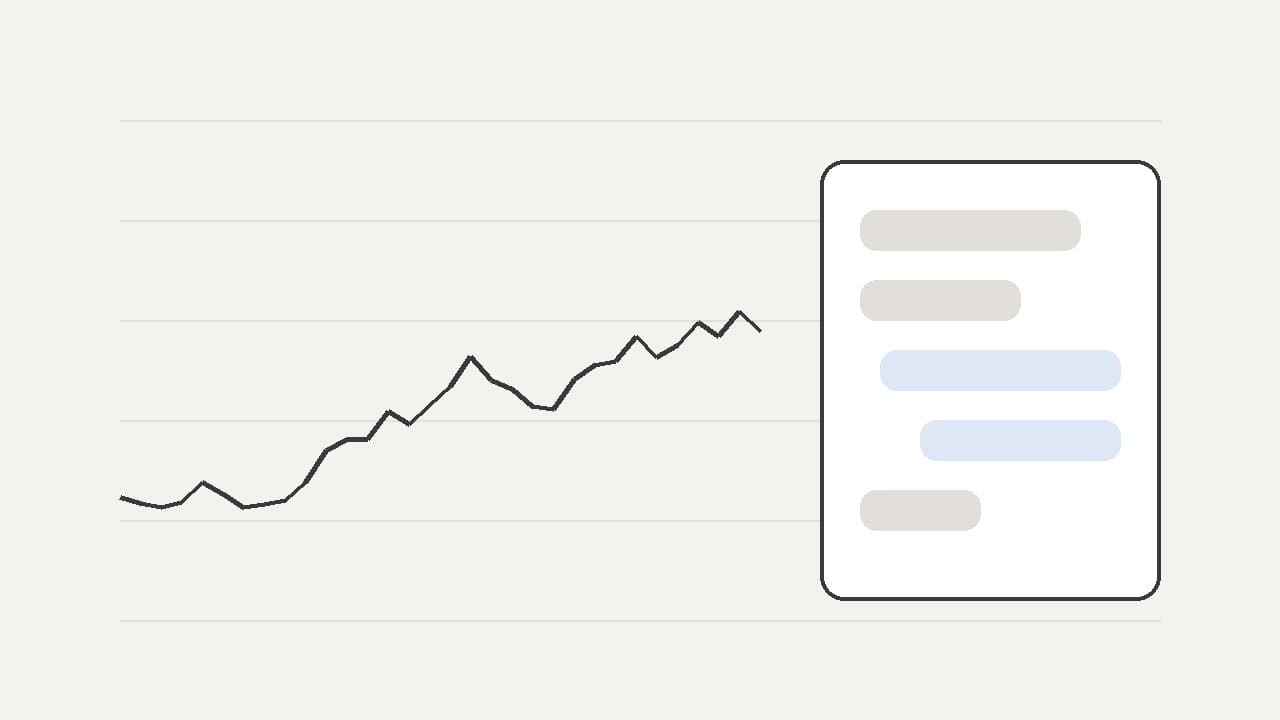
The AI Assistant in MetaTrader 5: What It Does, What to Let It Do
MT5 now has a built-in AI assistant that reads your charts and positions. What it is good for, what it is not, and the one permission setting to get right.
6 minute read
MT5 Order Types: What Each One Promises, and What It Does Not
Market, limit, stop, stop loss and trailing stop in MetaTrader 5: what each guarantees, what it cannot, and the one that stops when you close the terminal.
How not to lose it
Position sizing, stop losses, drawdown limits, trading plans, the step from demo to live, and how to manage a losing run.
4 minute read
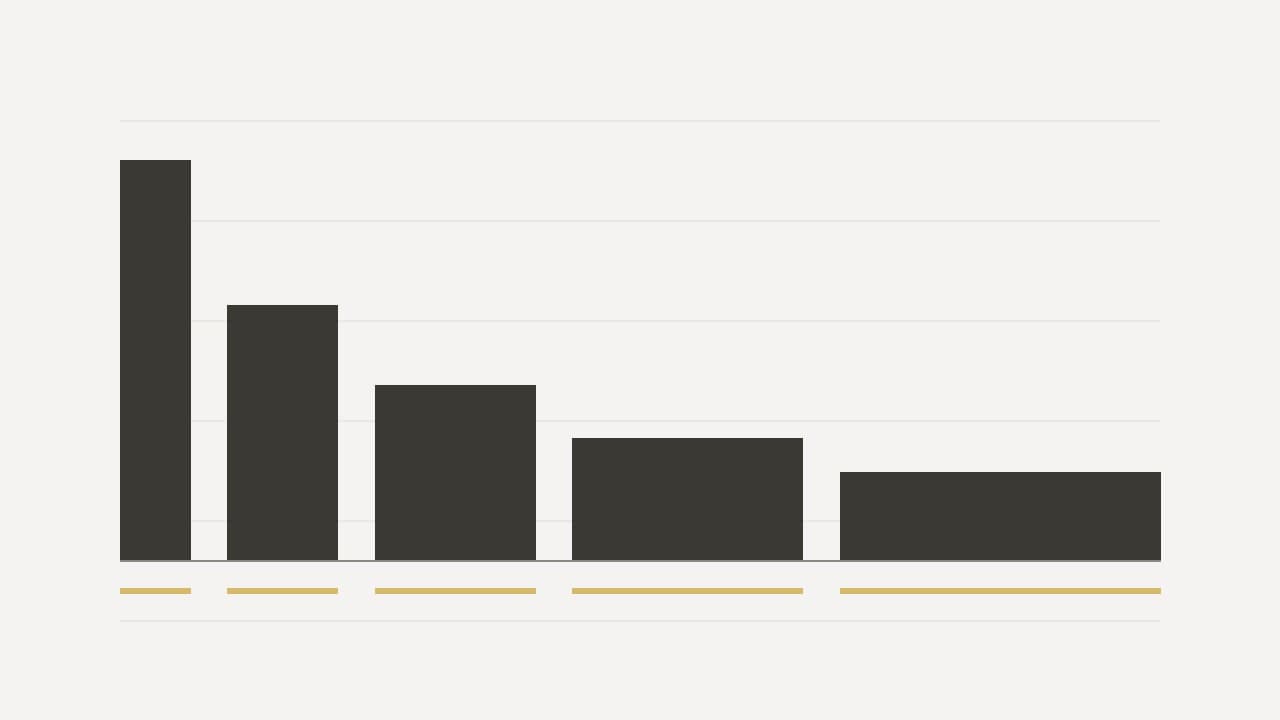
Forex Risk Management: Position Sizing and Stops
Position sizing, the 1% rule, stop-loss placement, risk-reward ratios, leverage control and drawdown math — the complete risk management guide for traders.
8 minute read
Position Sizing Discipline: Why the Rule Only Matters in a Bad Week
Fixed-fractional sizing in practice: size from the stop, not the other way round; pip values across instruments; correlated positions; five ways sizing breaks.
8 minute read
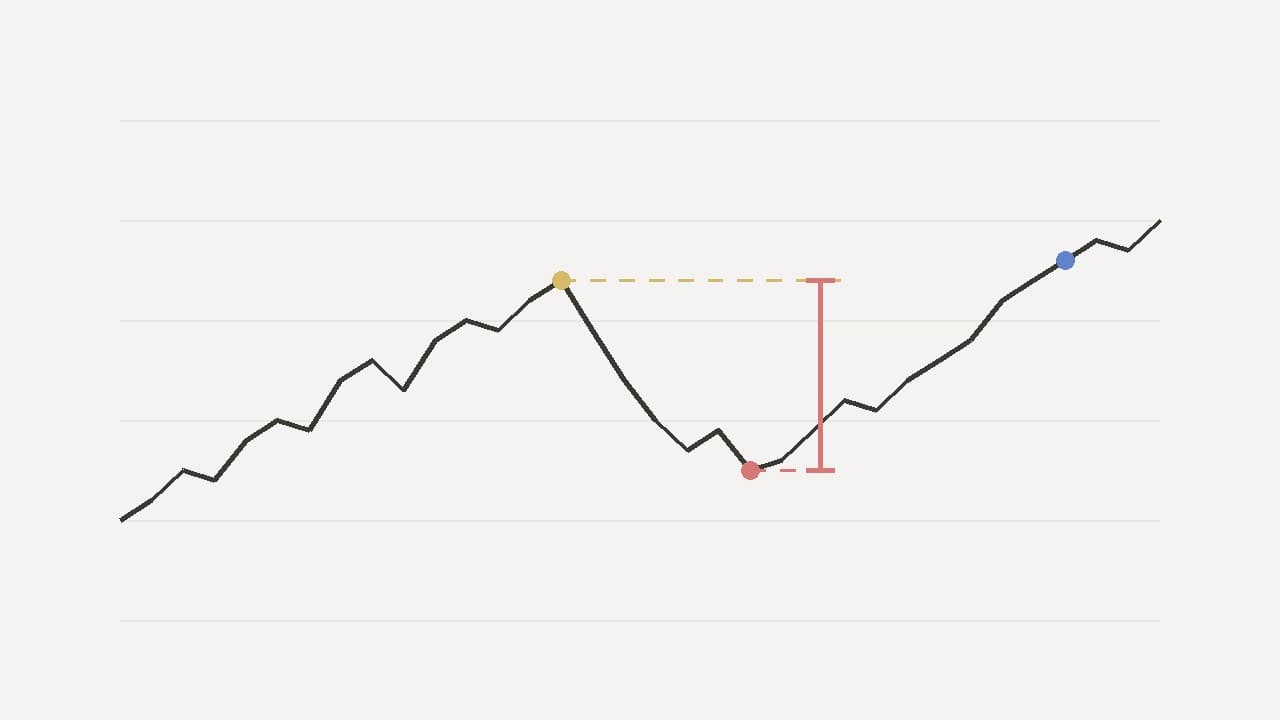
Drawdown Explained: How to Measure It and How Much Is Too Much
Peak-to-trough, maximum and relative drawdown defined, the recovery arithmetic, what MT5 shows, and how to set a personal limit before the first trade.
8 minute read
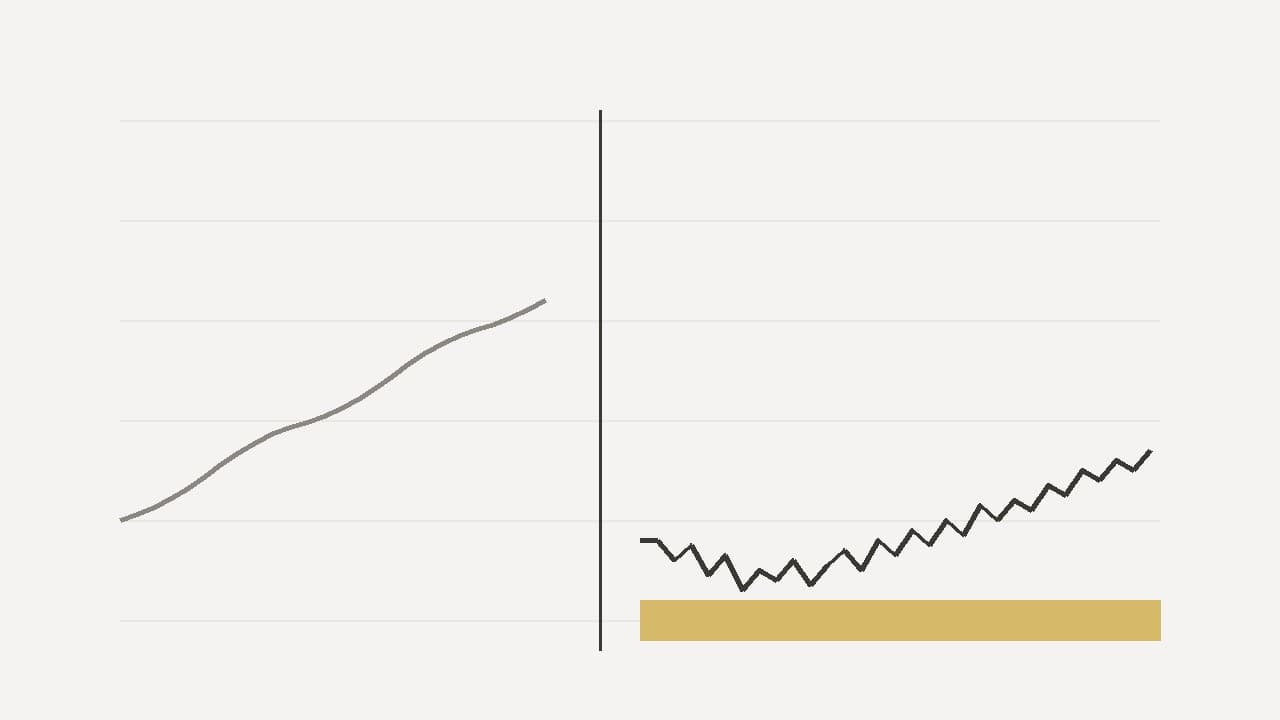
After a Losing Run: Drawdown, Revenge Trading and When to Stop
Why a 50% drawdown needs a 100% gain back, what a losing streak does to your decisions, the signs of revenge trading, and the rules that work anyway.
8 minute read
From Demo to Live Trading: What Changes and What to Keep
What a demo cannot show you, what to carry across unchanged, a measurable checklist for going live, and how to size the first live account affordably.
5 minute read
10 Forex Trading Rules Every Trader Should Live By
The ten non-negotiable rules of forex trading: risk limits, stop-losses, leverage discipline, journaling and the psychology habits that keep accounts alive.
4 minute read
How to Build a Forex Trading Plan That Actually Works
Building a forex trading plan: goals, risk rules, strategy, journaling — and the habits that hold up on the days you least feel like applying them.
5 minute read
Best Time to Trade Forex: Sessions and Overlaps
Forex trading sessions explained — Sydney, Tokyo, London, New York — the London–New York overlap, the best hours for each pair, and times to avoid.
6 minute read
How to Read an Economic Calendar: CPI, Payrolls and Rate Decisions
Which releases move currencies and gold, why a strong number can be followed by a fall, and what happens to spreads in the seconds around one.
Proprietary trading firms
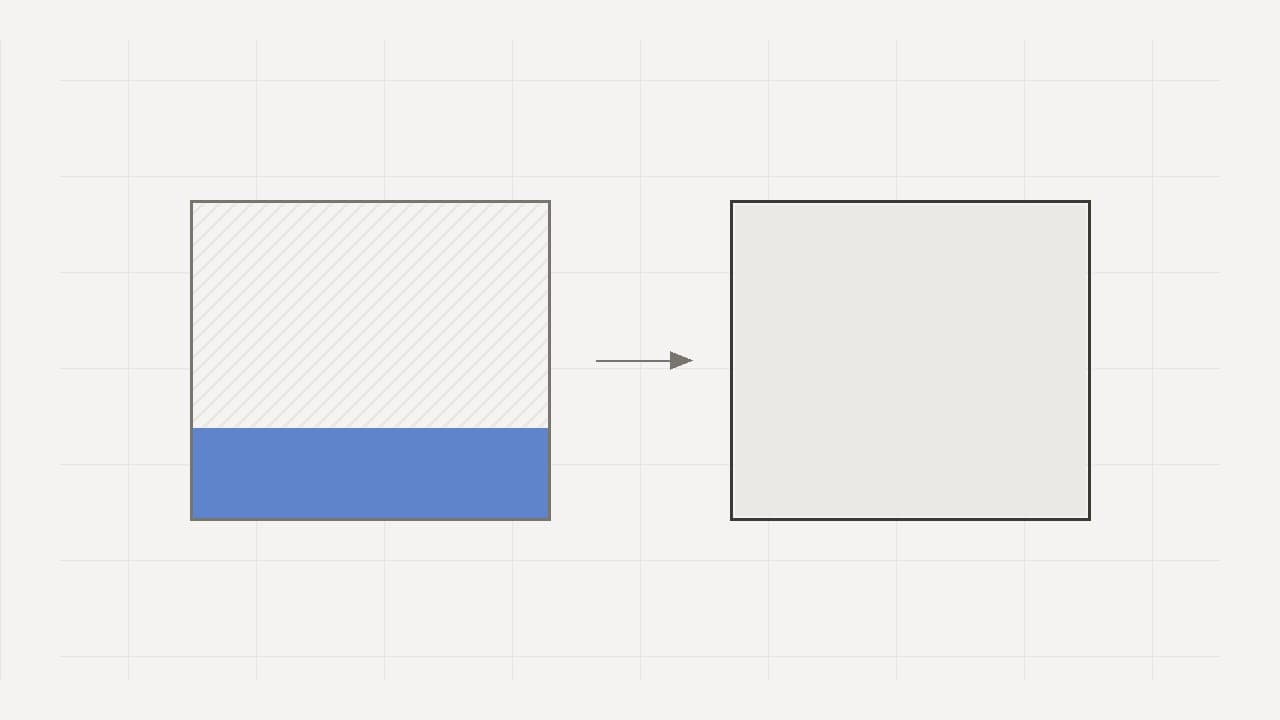
Around twelve million challenge accounts are bought in a year and most are not passed. What the arrangement actually is, what each rule does, what the industry-wide pass and payout estimates say, and how to read a failed evaluation. We are not a proprietary trading firm and we do not sell challenges; these are written for the people the category leaves behind.
7 minute read
Prop Firm or Broker Account: What You Actually Get
Whose capital is at risk, who holds the money, what the profit split really pays, and which protections exist in each arrangement.
8 minute read
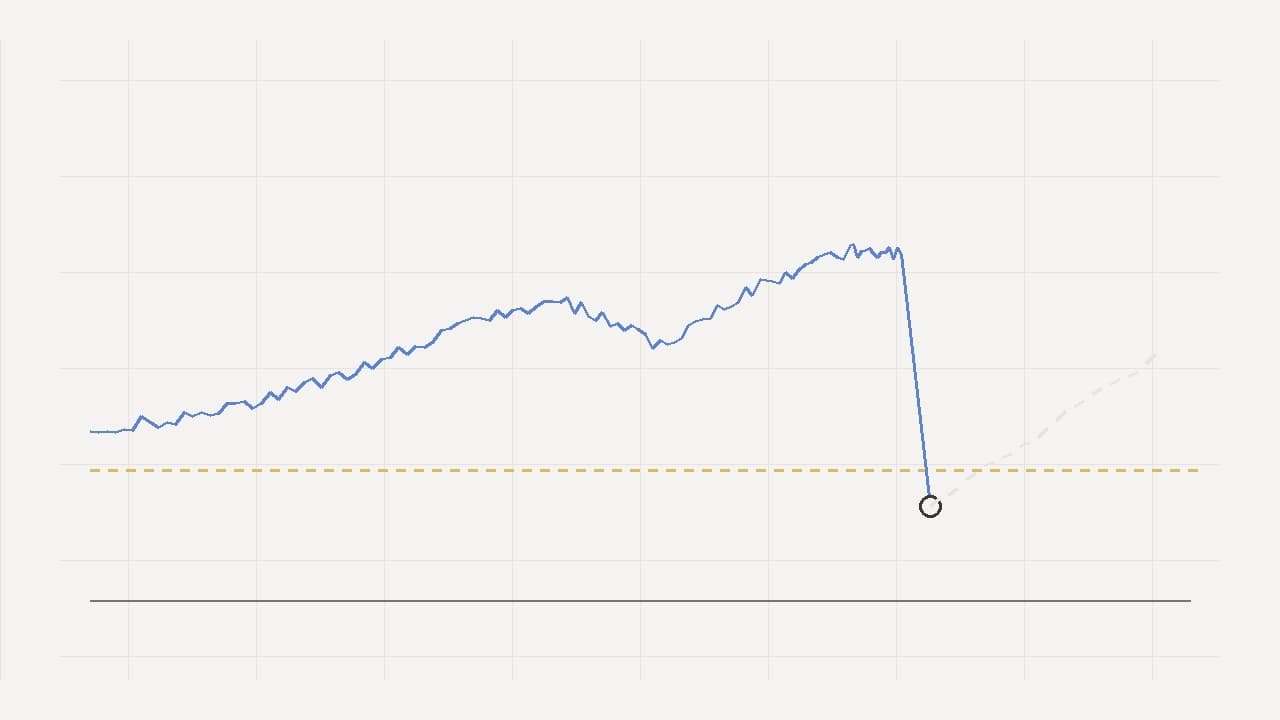
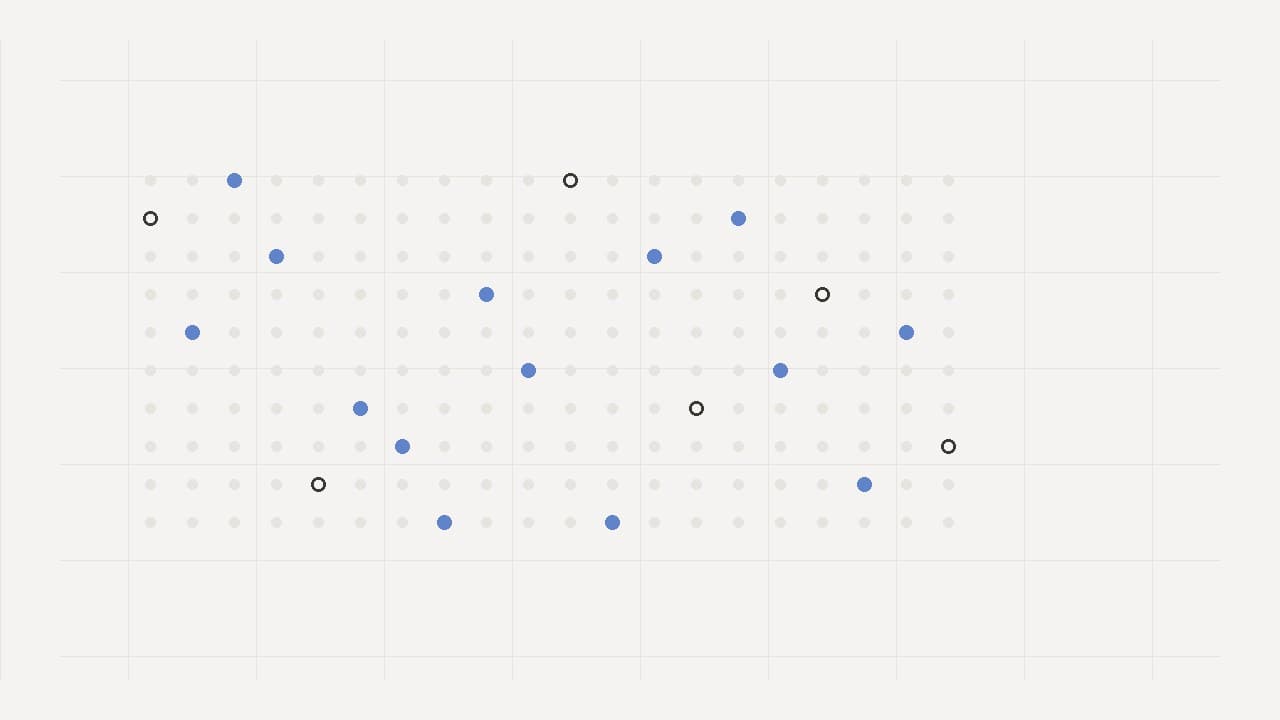
Prop Firm Challenge Rules, Read Properly
Daily loss limits, trailing drawdown, consistency rules and news restrictions — what each one does and why an account passes and still fails.
7 minute read
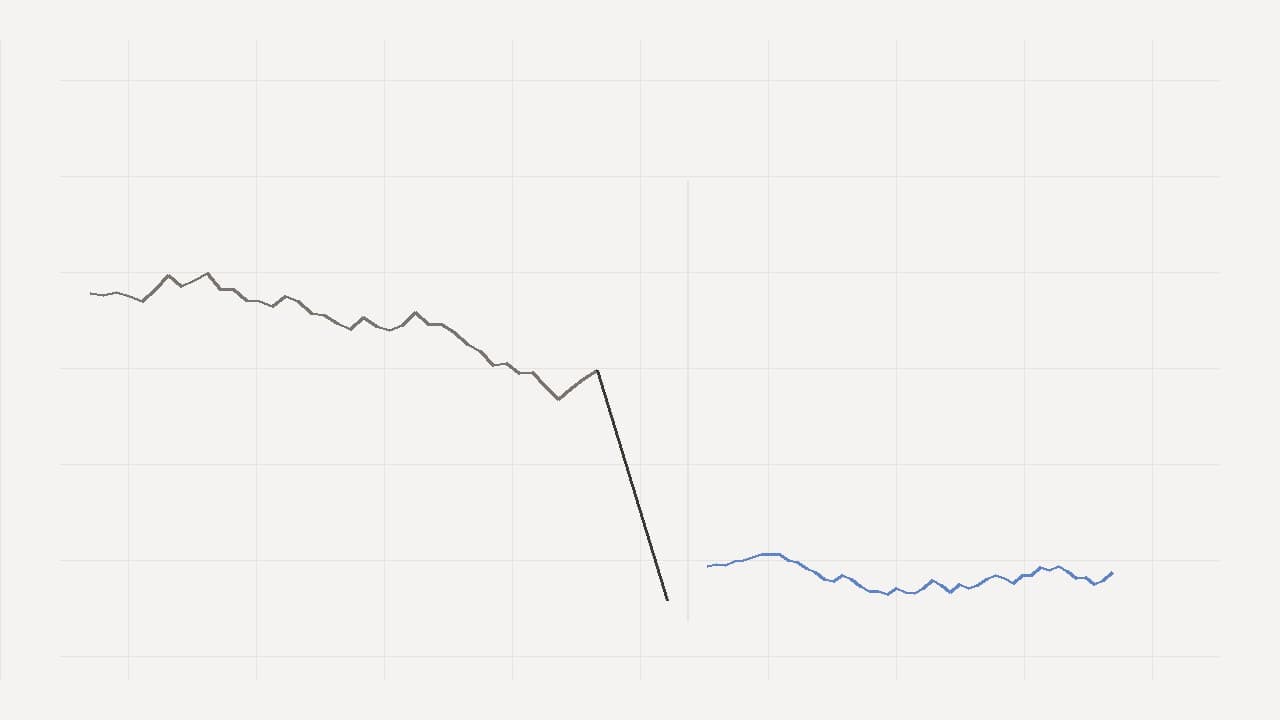
What Prop Firm Pass Rates Actually Say, and What They Do Not
Industry estimates put the pass rate at 5–14% and payouts at around 7% of buyers. What those figures are, where they come from, and what they imply.
6 minute read
After a Failed Challenge
What a failed evaluation does and does not tell you, how to read the account that ended it, and how to decide what comes next without paying to find out.
Reading the chart
One indicator per guide: what it measures, the formula in words with a worked example, its known limitations, and what the academic evidence says. Twenty guides in two parts; the first part opens with the six used in our hourly technical readings.
8 minute read
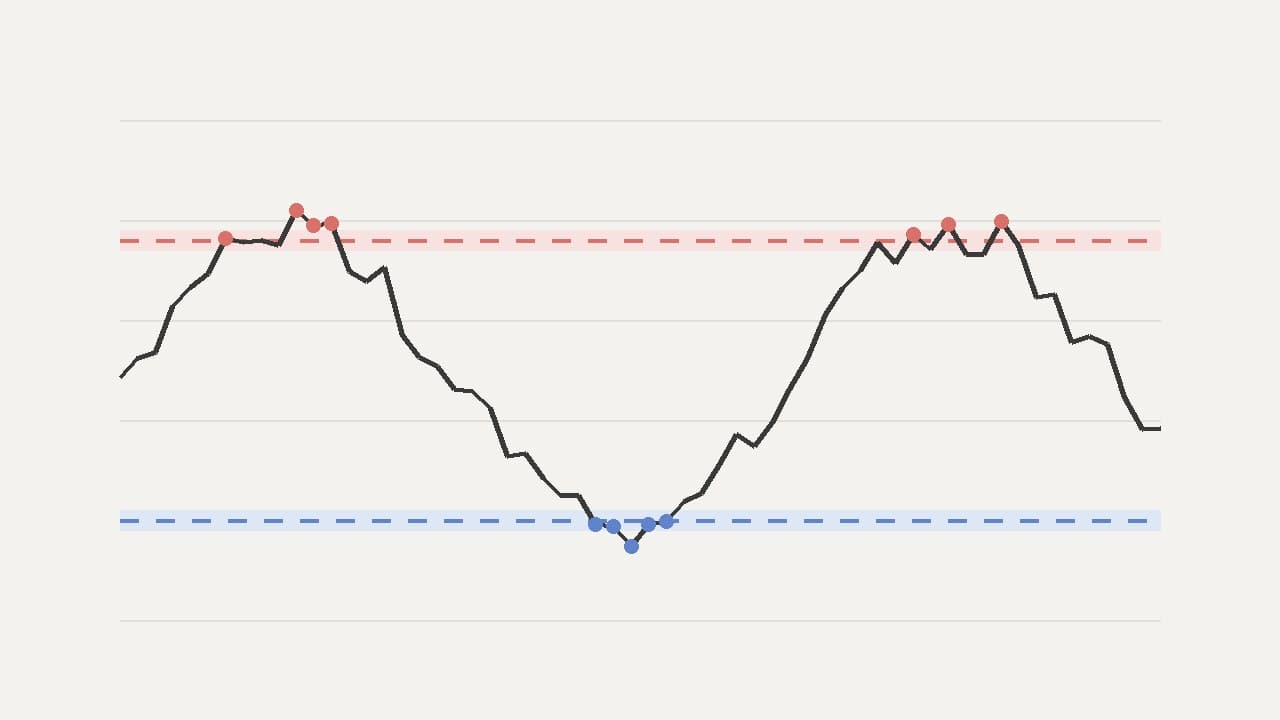
RSI: What It Measures and When It Lies
The relative strength index in one formula, one worked example and four honest limits. Why "above 70" is not a sell signal, and what the research says.
8 minute read
MACD: What It Measures and When It Lies
MACD is the gap between two moving averages, smoothed once more. The formula, a worked example, why it whipsaws in a range, and what the evidence says.
8 minute read
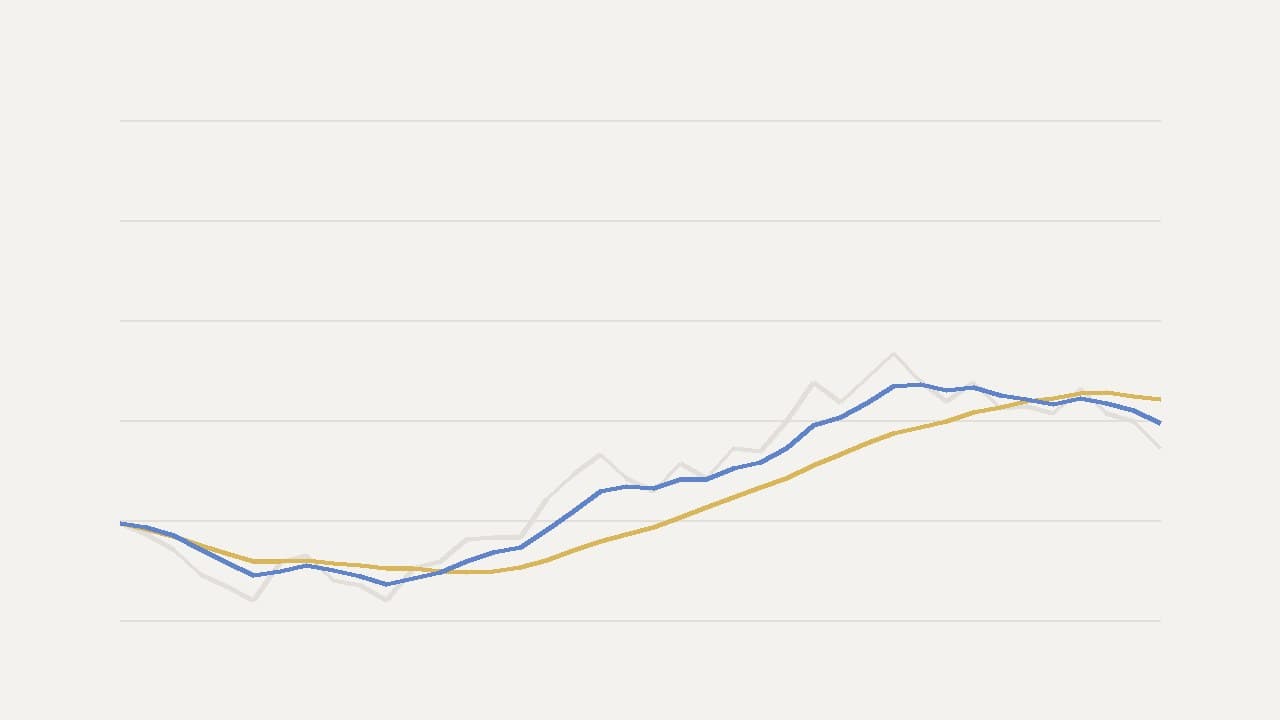
Simple vs Exponential Moving Averages: What They Measure and When They Lie
SMA weights every close equally; EMA leans on the recent ones. Both formulas, a worked example of each, what a crossover means, and when the line misleads.
7 minute read
Stochastic Oscillator: What It Measures and When It Lies
The stochastic says where the close sits in its recent high–low range, 0 to 100. The %K and %D formulas, a worked example, and why "above 80" is not a sell.
7 minute read
Pivot Points: What They Measure and When They Lie
Seven levels computed from yesterday’s high, low and close. The formulas, a worked example, and why the session definition matters.
8 minute read
ATR and Volatility Stops: What They Measure and When They Lie
Average true range is the size of a typical bar, gaps included, in price units. The formula, a worked example, how an ATR stop is built, and where it misleads.
8 minute read
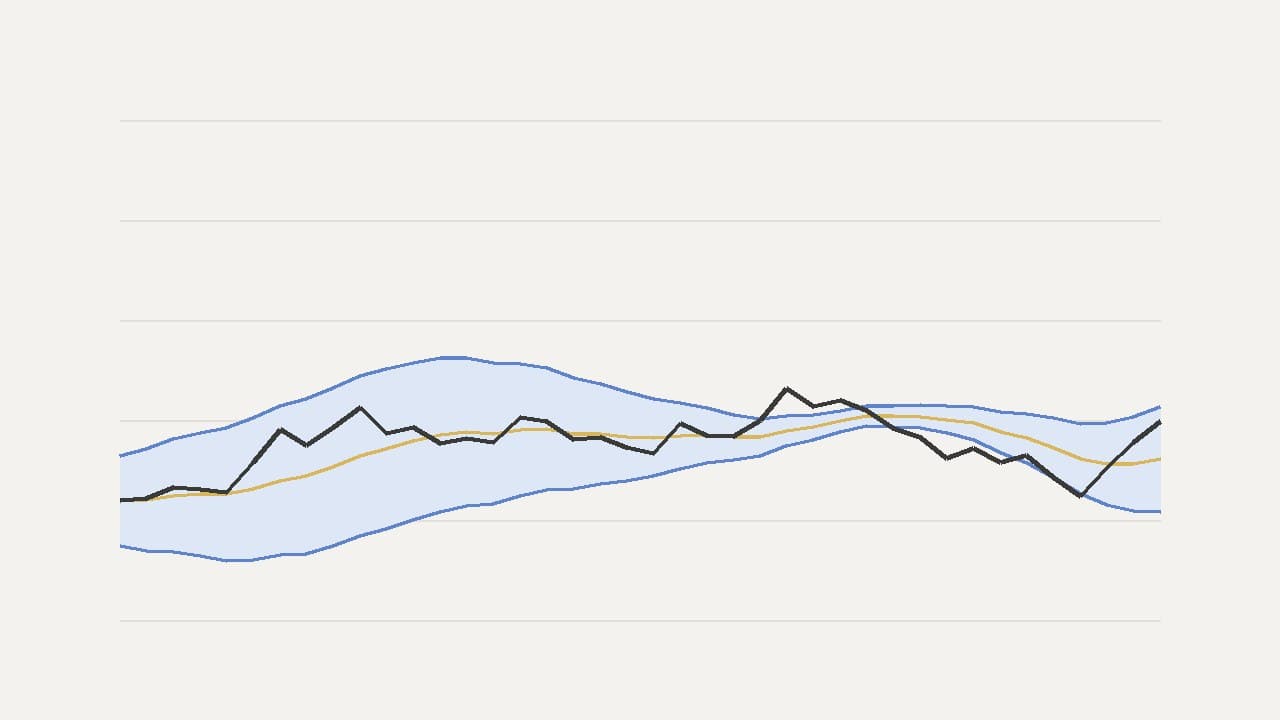
Bollinger Bands: What They Measure and When They Lie
A moving average plus and minus two standard deviations. The formula, a worked example, and what a squeeze does and does not mean.
8 minute read
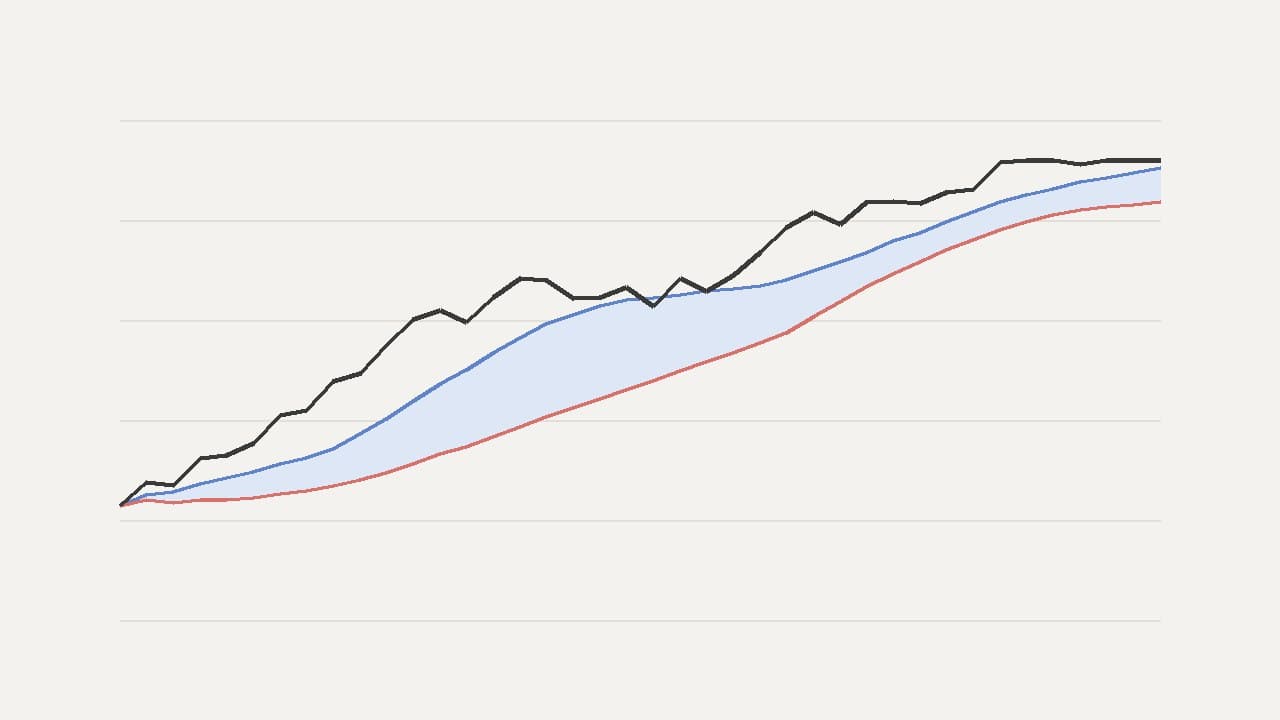
Volume and On-Balance Volume: What They Measure and When They Lie
Volume is activity, not direction; OBV adds it up by the sign of the close. The formula, a worked example, why CFD "volume" is tick count, and the limits.
9 minute read
Ichimoku Cloud: What It Measures and When It Lies
Five lines built from range midpoints, two drawn 26 bars ahead. All five formulas, a worked example, and why the cloud is not a forecast.
8 minute read
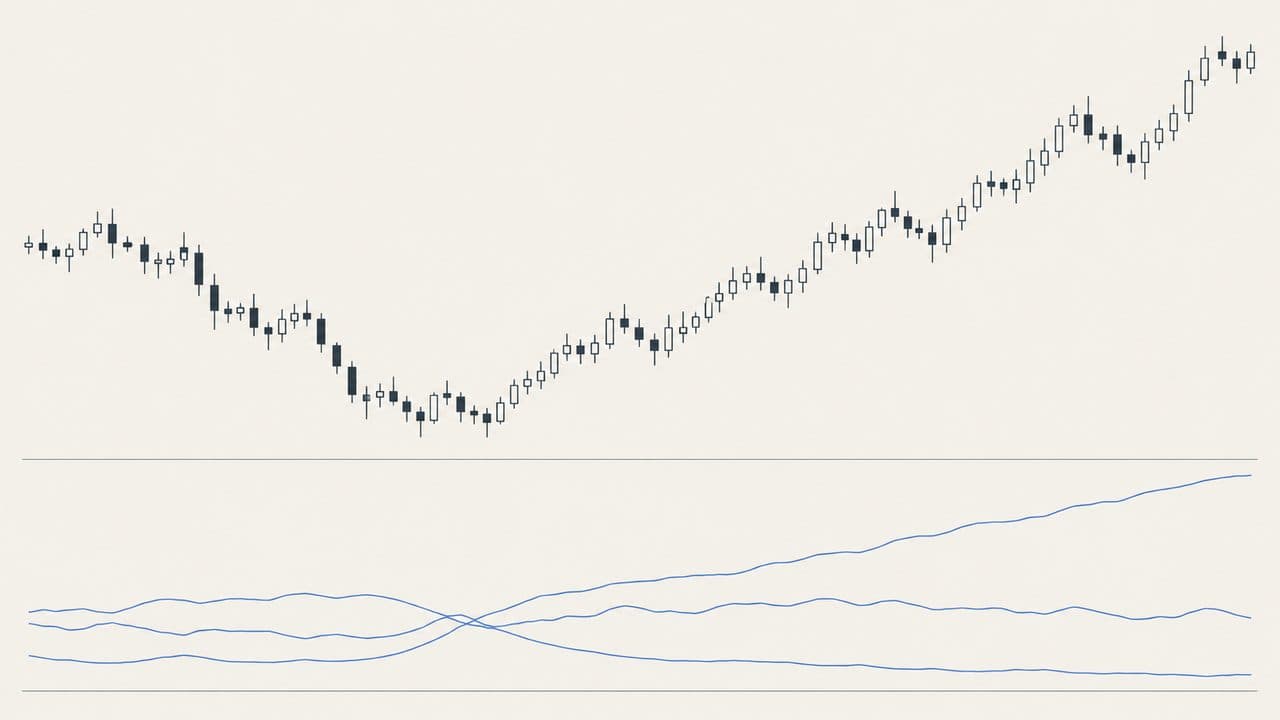
Fibonacci Retracements: What They Measure and When They Lie
Fixed fractions of a swing you chose. The formula, a worked example at every level, and why the anchors are the real problem.
9 minute read
ADX and the Directional Movement Index: What They Measure and When They Lie
ADX measures how one-sided movement has been, not which way. +DI, −DI and ADX in words, and why a high reading arrives late.
8 minute read
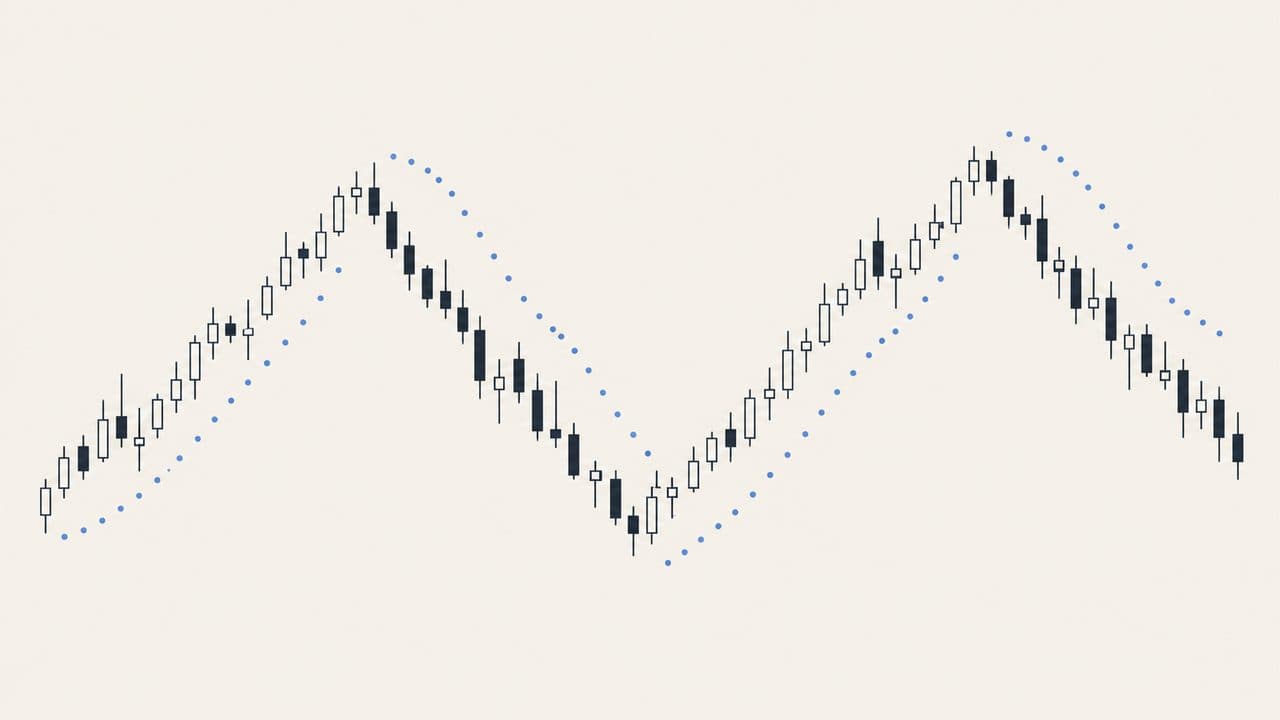
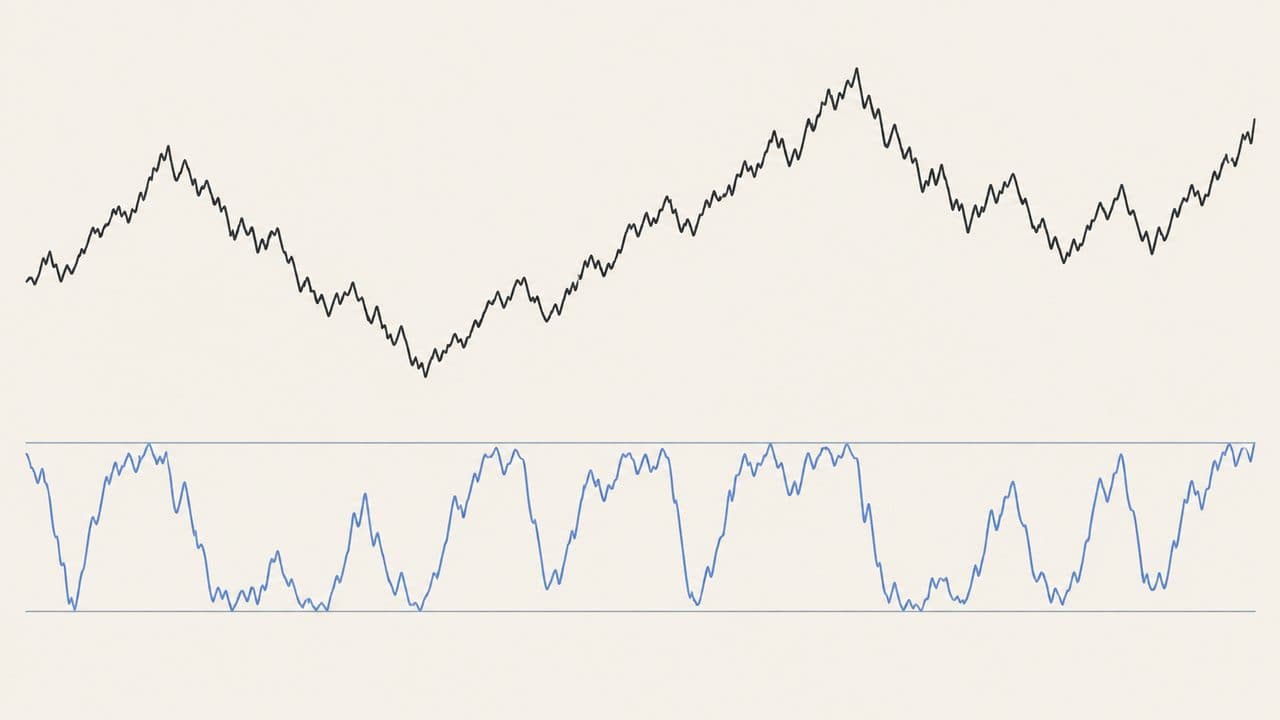
Parabolic SAR: What It Measures and When It Lies
Parabolic SAR is a trailing level that accelerates with the trend and flips when price crosses it. The recursion in words, a worked step, and why it whipsaws.
7 minute read
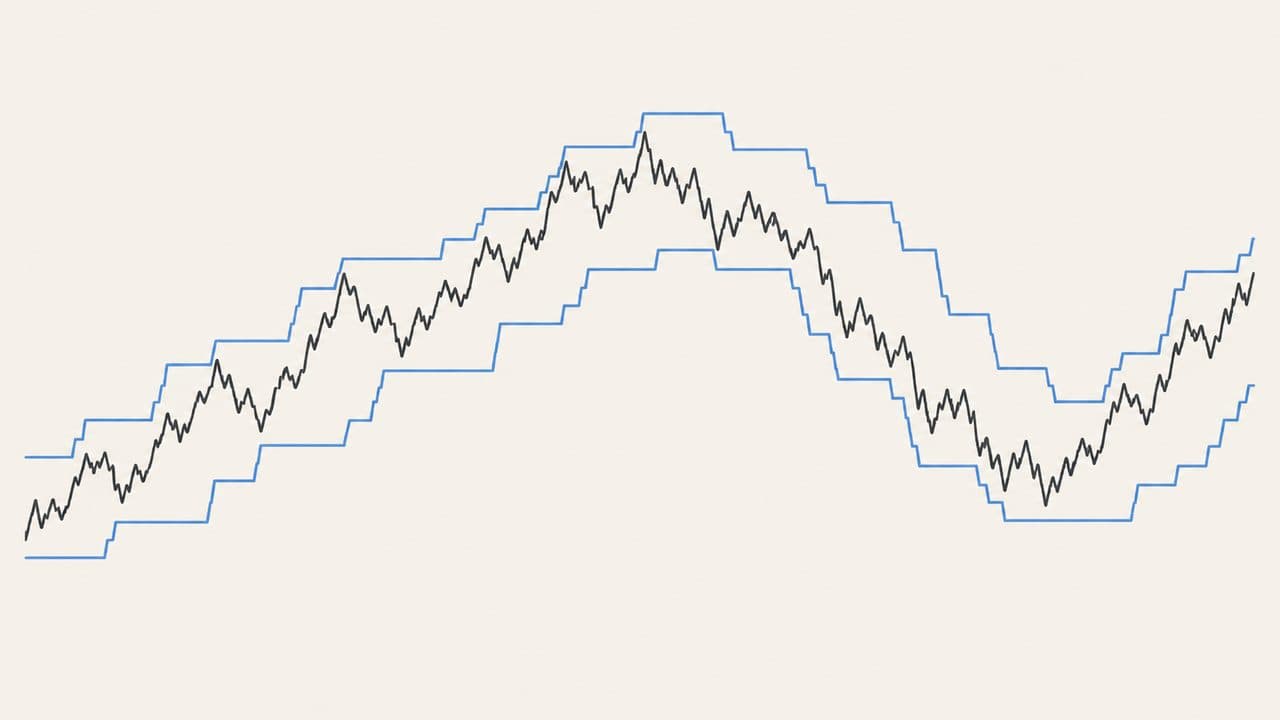
Williams %R: What It Measures and When It Lies
Williams %R is the stochastic upside down: where the close sits in its 14-bar range, from 0 to −100. The formula, a worked example, and why −10 is not a sell.
7 minute read
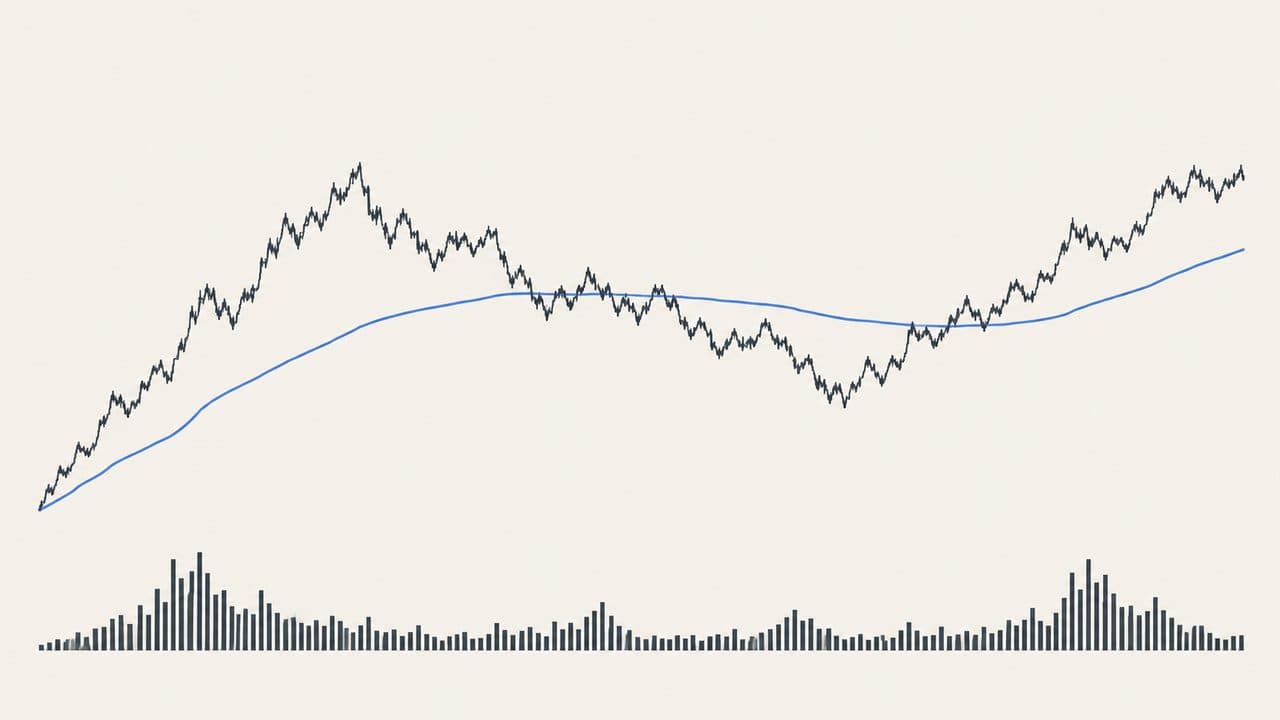
Commodity Channel Index: What It Measures and When It Lies
CCI is how far today’s typical price sits from its 20-bar average, in units of average deviation, scaled to ±100. The formula, a worked example, and the limits.
8 minute read
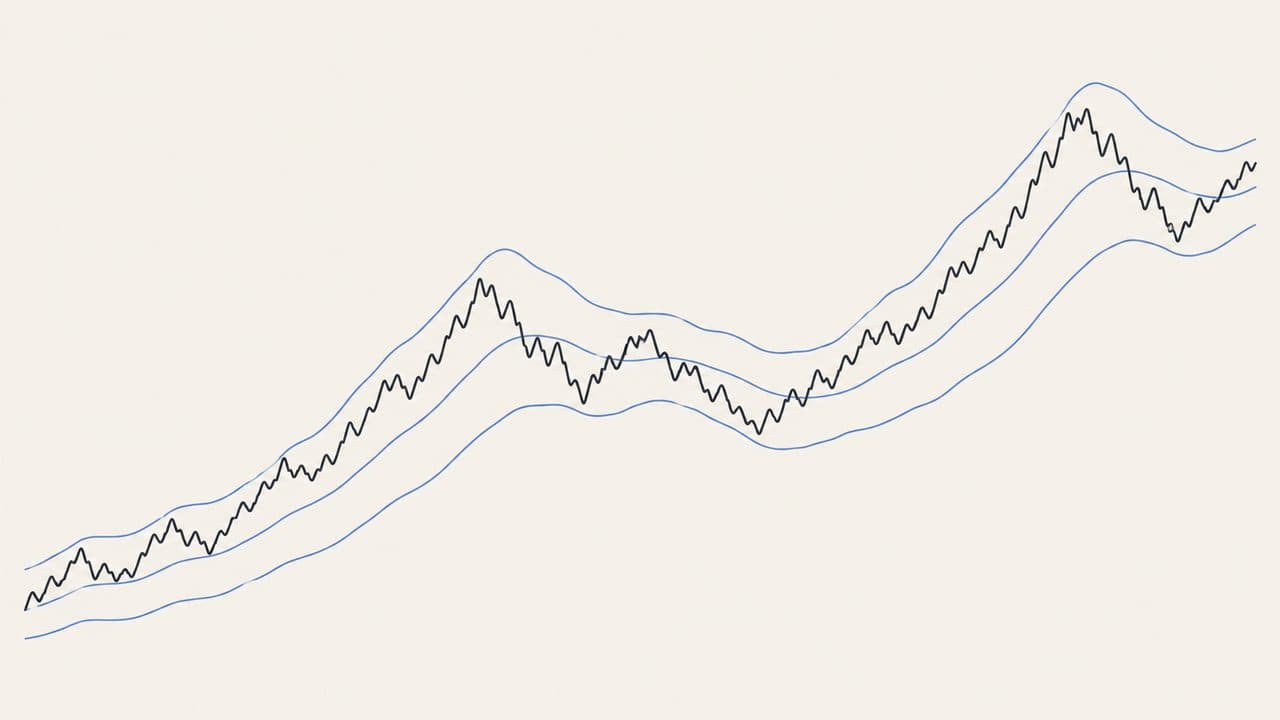
VWAP: What It Measures and When It Lies
VWAP is the average price actually paid today, weighted by volume. The formula, a worked example, and why on a forex or CFD chart it is built on tick counts.
7 minute read
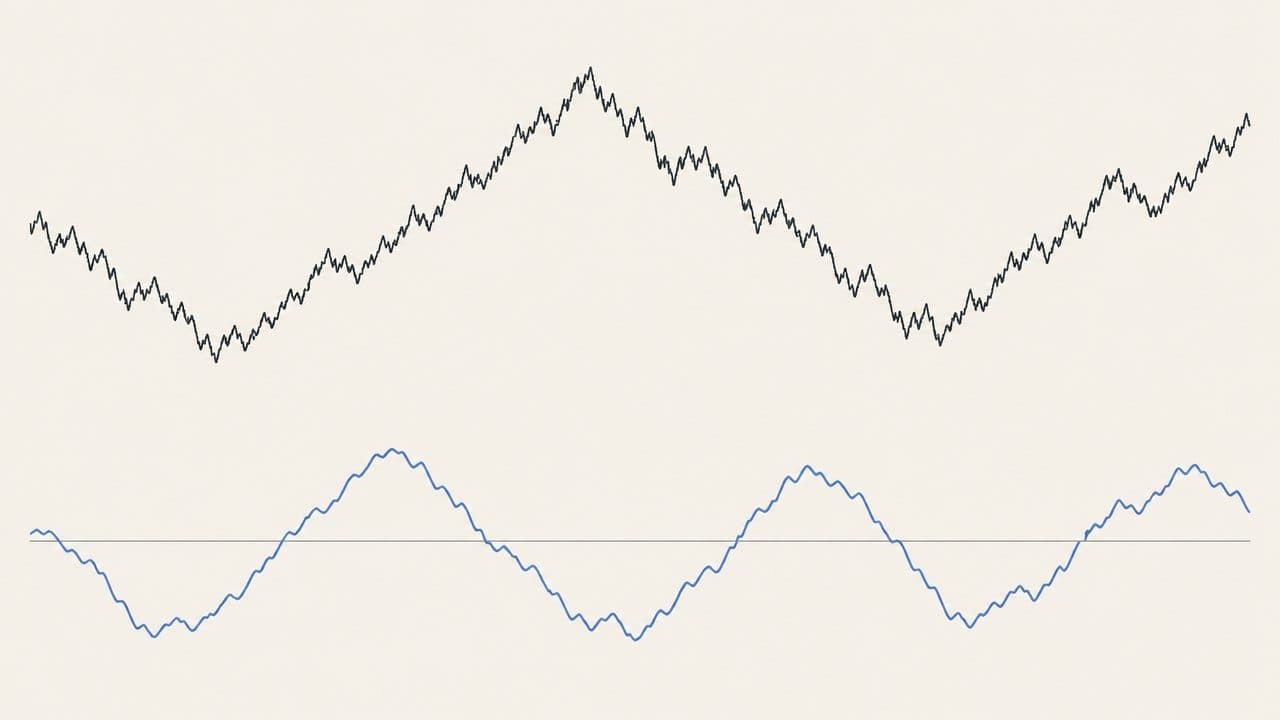
Keltner Channels: What They Measure and When They Lie
An EMA with a multiple of ATR either side — Bollinger Bands with a different ruler. Both formulas, a worked example, and the limits.
7 minute read
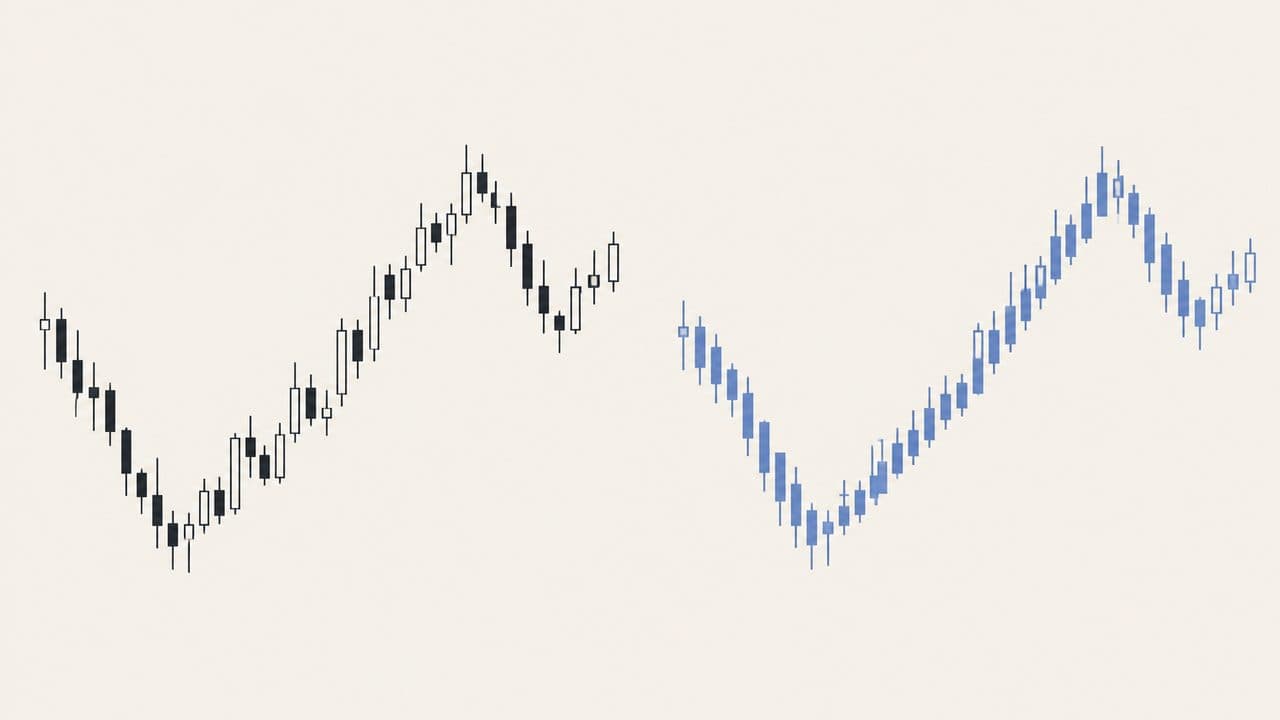
Donchian Channels: What They Measure and When They Lie
The highest high and lowest low of the last 20 bars. The construction, a worked example, and what a breakout is and is not.
7 minute read
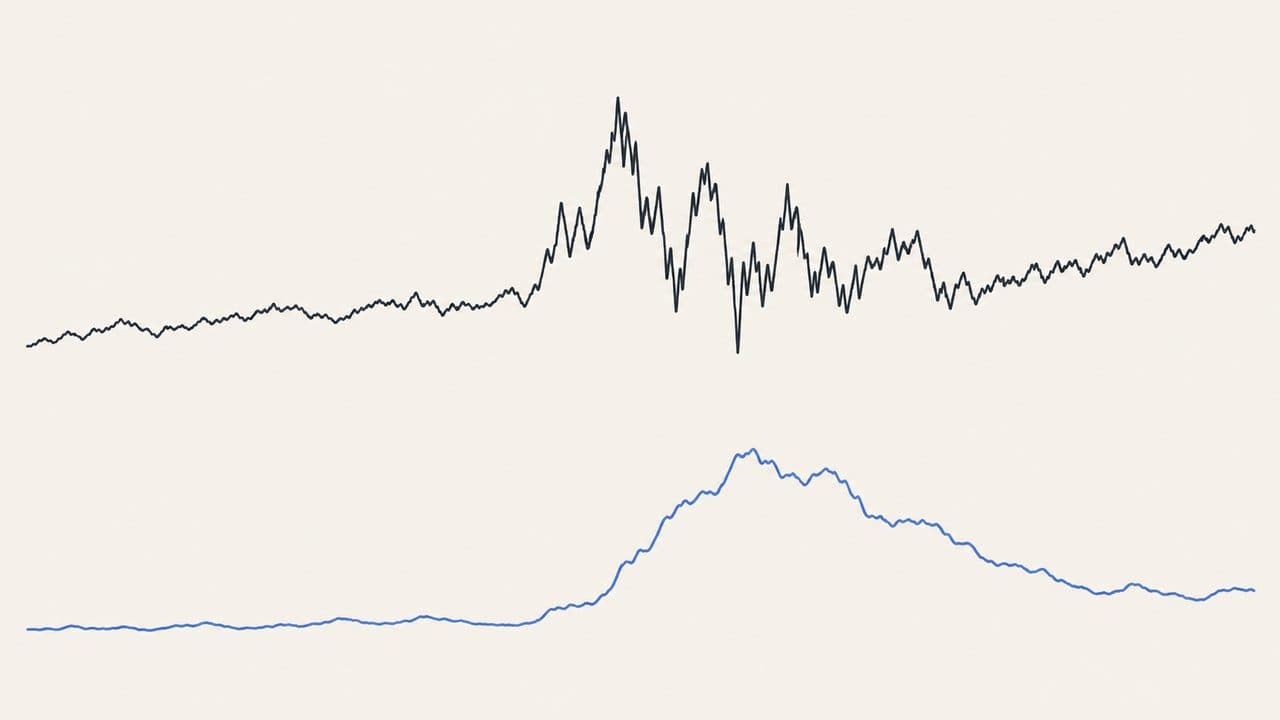
Heikin-Ashi Candles: What They Measure and When They Lie
Heikin-Ashi candles are averages drawn to look like prices. The four formulas, a worked example, and the one rule that matters: never place a stop on one.
8 minute read
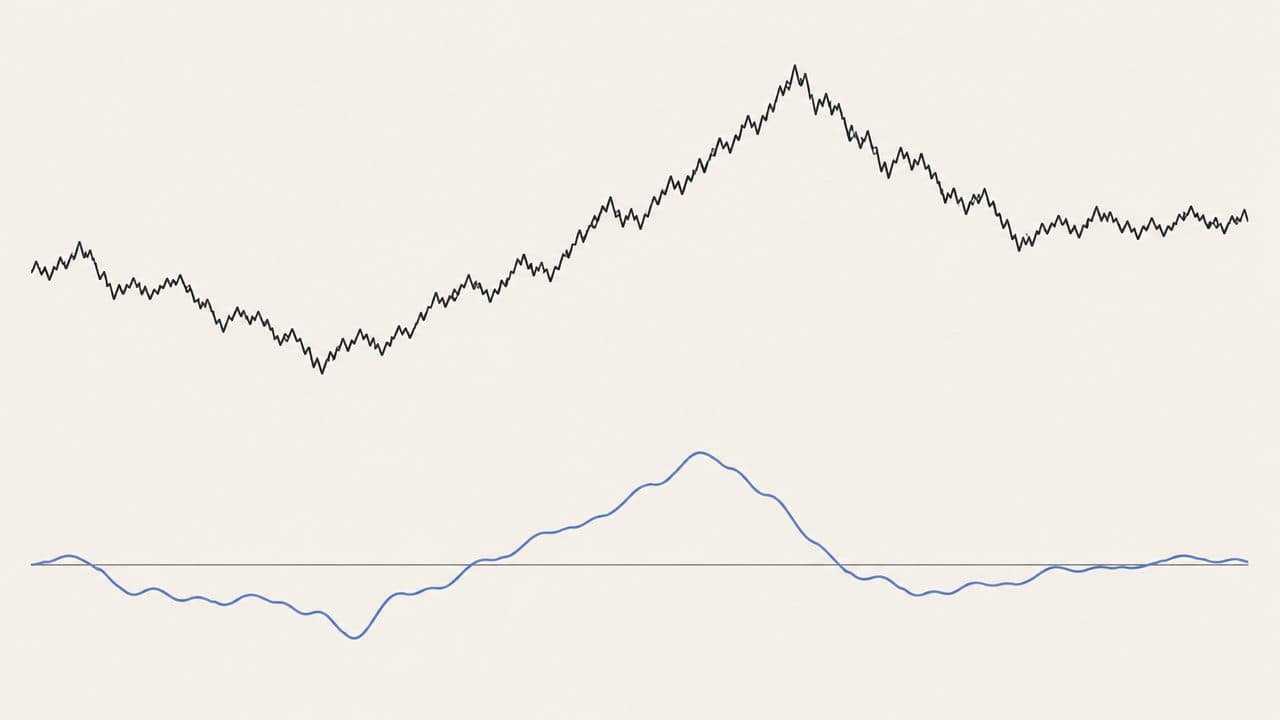
Standard Deviation and Historical Volatility: What They Measure and When They Lie
Historical volatility is the standard deviation of past returns, annualised by convention. The steps, a worked example with both denominators, and the limits.
7 minute read
Rate of Change and Momentum: What They Measure and When They Lie
Momentum is today’s close minus the close n bars ago; ROC is the same as a percentage. The formulas, a worked example, the window effect, and the evidence.
Trading approaches
One approach per guide: what it is, what it requires in time, capital and execution, a worked example with costs on both sides, and the conditions in which it fails. None of them is a recommendation.
6 minute read
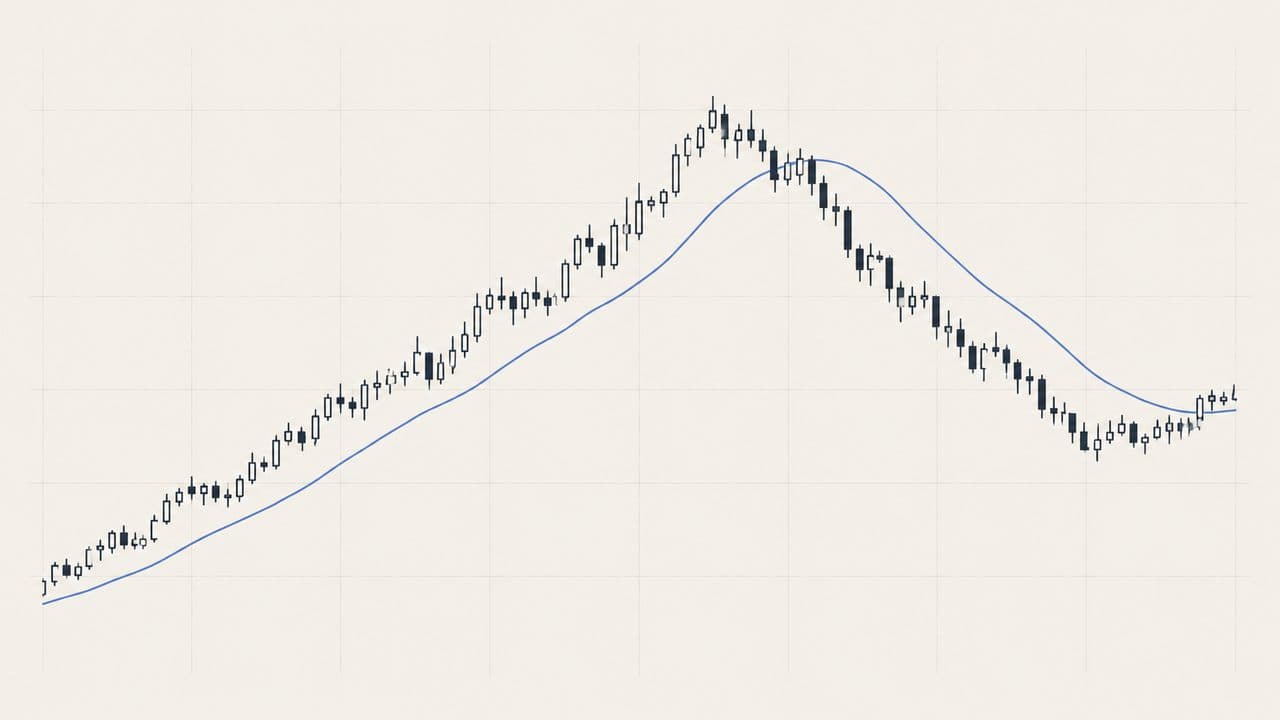
Trend Following: What It Is, What It Requires and Where It Fails
What trend following is, the capital it requires, a worked example with both outcomes, and what the momentum research shows.
6 minute read
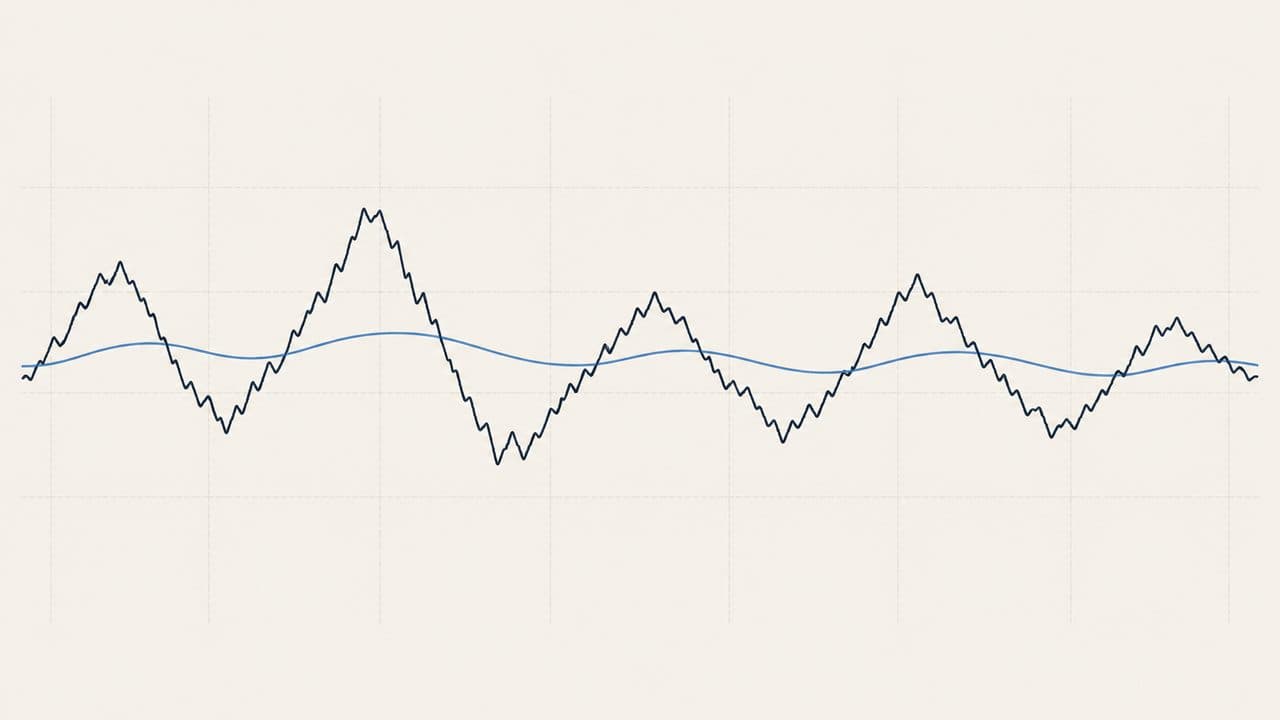
Mean Reversion: What It Is, What It Requires and Where It Fails
What mean reversion is, how the reference level is defined, a worked example with both outcomes, and the regimes where it fails.
6 minute read
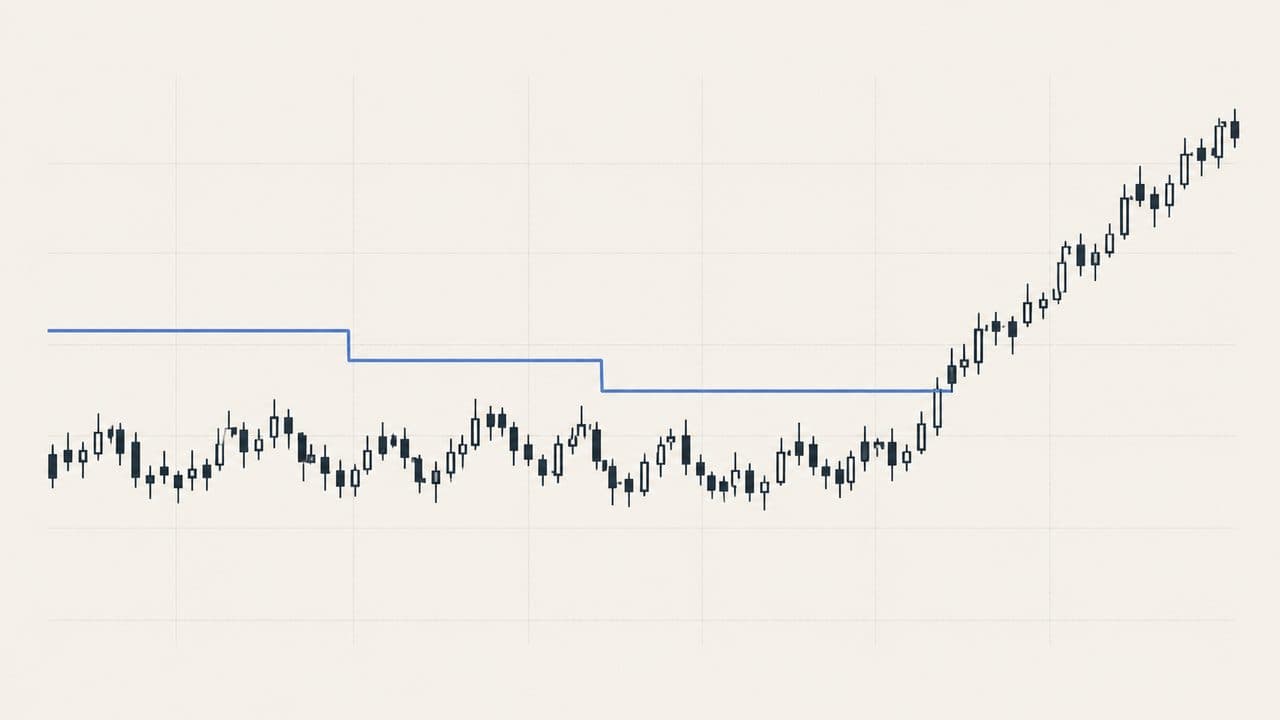
Breakout Trading: What It Is, What It Requires and Where It Fails
What breakout trading is, how a range and a break are defined, a worked example with a continuation and a false break, the costs, and where the approach fails.
6 minute read
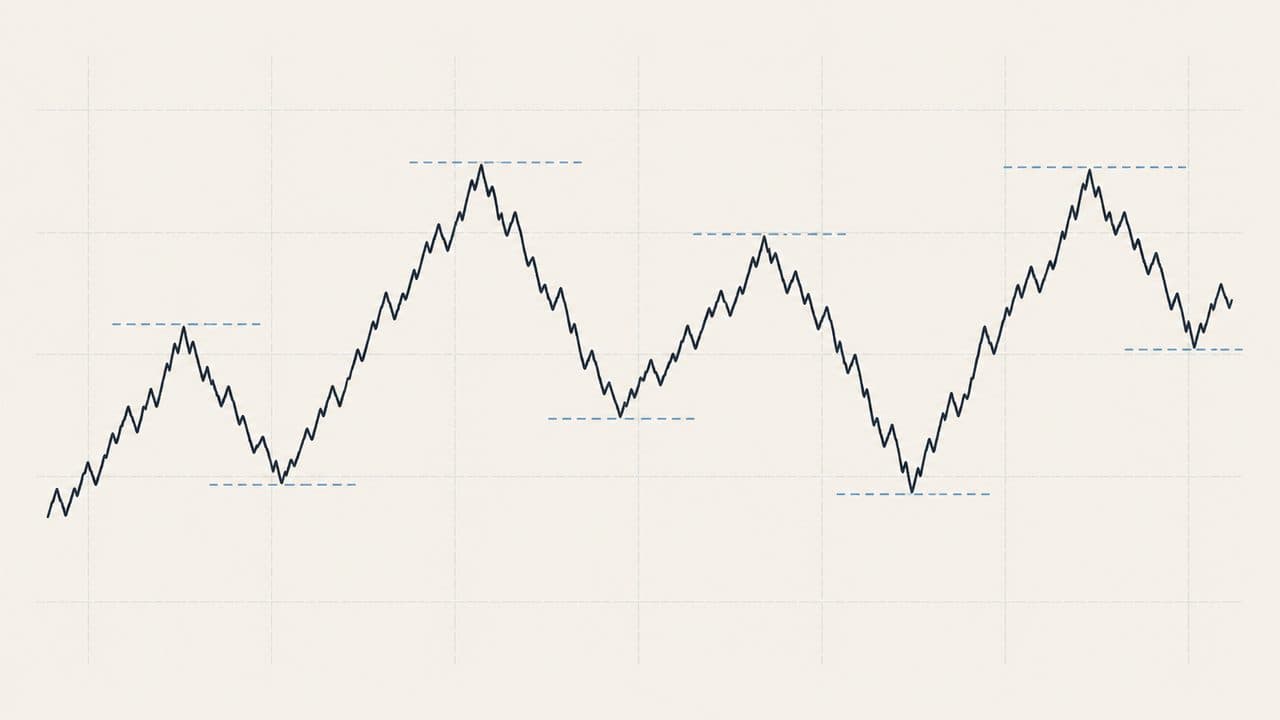
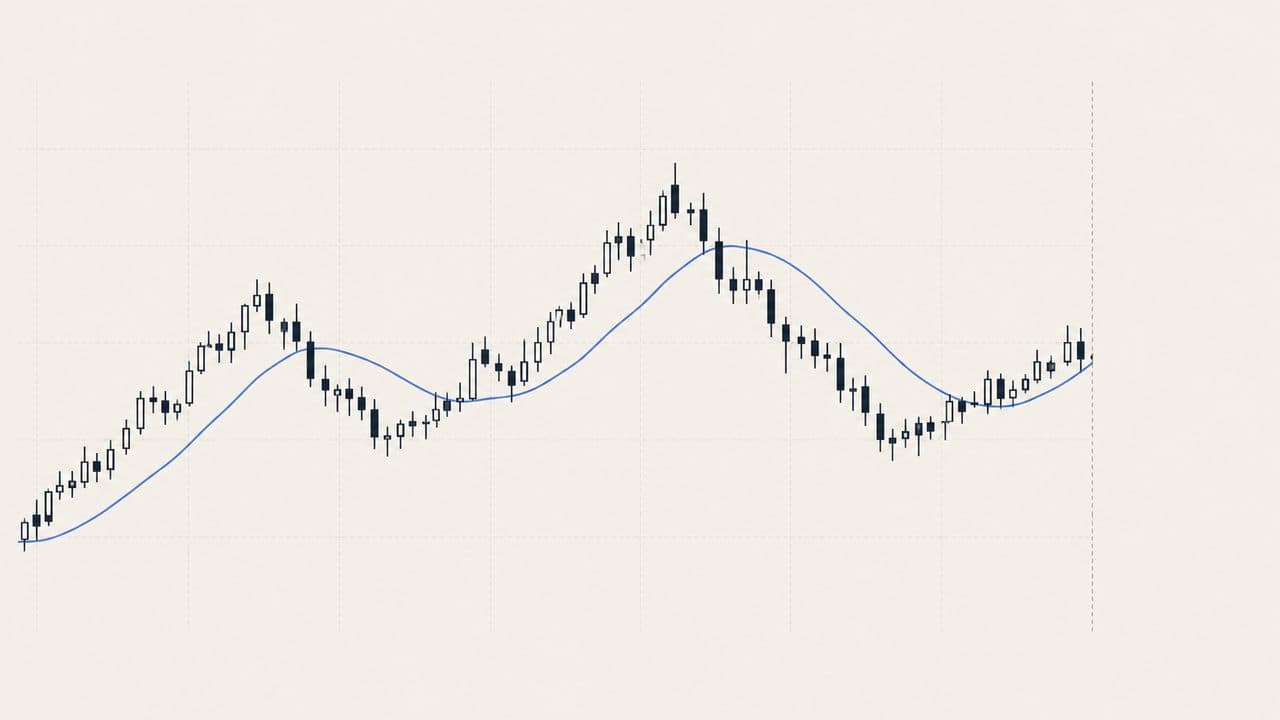
Swing Trading: What It Is, What It Requires and Where It Fails
What swing trading is, the capital it requires, a worked example including financing and a gap, and where it fails.
6 minute read
Day Trading: What It Is, What It Requires and Where It Fails
What day trading is, the screen time and execution it requires, a worked example with dealing costs, what research on active trading shows, and where it fails.
6 minute read
Scalping: What It Is, What It Requires and Where It Fails
What scalping is, the execution and attention it requires, a worked example showing the cost arithmetic of very short holding periods, and where it fails.

5 minute read
Carry Trading: What It Is, What It Requires and Where It Fails
What carry trading is, the financing and exchange-rate exposure it involves, a worked example with both outcomes, and what research on carry crashes shows.
6 minute read
News and Event Trading: What It Is, What It Requires and Where It Fails
What news and event trading is, the data and timing it requires, a worked example with event slippage, the costs, and the conditions in which it fails.

6 minute read
Arbitrage and Latency Strategies: What They Are, What They Require and Where They Fail
What arbitrage and latency strategies are, the infrastructure they require, a two-leg worked example with costs, and why a retail CFD account cannot run them.
6 minute read
Grid and Martingale Systems: What They Are, What They Require and Where They Fail
What grid and martingale systems are, the drawdown arithmetic of a doubling sequence with a worked example, the capital they require, and where they fail.
Using MetaTrader 5
Step-by-step instructions for the platform, one task per guide, with separate steps for desktop, the web terminal and the mobile app, and the error messages each task can produce.
5 minute read
How to place a market order in MetaTrader 5
Place a market buy or sell order in MetaTrader 5 on desktop, web or mobile, check the resulting position and deal, and resolve the common order errors.
5 minute read
How to set a stop loss and take profit in MetaTrader 5
Set, change and remove Stop Loss and Take Profit levels on a position or pending order in MetaTrader 5, with desktop, web and mobile steps and common errors.
5 minute read
How to use pending orders in MetaTrader 5
Place and manage Buy Limit, Sell Limit, Buy Stop, Sell Stop and Stop Limit orders in MetaTrader 5, including expiry, volume checks and how each one fills.
5 minute read
How to close all or part of a position in MetaTrader 5
Close a full position, reduce its volume or close several positions at once in MetaTrader 5 on desktop, web and mobile, on netting and hedging accounts.
4 minute read
How to set and understand a trailing stop in MetaTrader 5
Set, change and remove a trailing stop in MetaTrader 5 — and why it stops updating when the terminal is closed, while a Stop Loss remains.
4 minute read
How to read the account line in MetaTrader 5
Read Balance, Equity, Margin, Free Margin and Margin Level in MetaTrader 5 on desktop, web and mobile, and understand what each figure includes.
4 minute read
How to check a symbol's contract specification in MetaTrader 5
Open a symbol’s Specification window in MetaTrader 5 and read its trading hours, order types, volume rules, stops level, execution mode and contract terms.
4 minute read
How to export your trade history and account statement from MetaTrader 5
Filter orders, deals and positions in MetaTrader 5 history and save an account report as HTML or PDF from the desktop terminal, with mobile history steps.
4 minute read
How to set price alerts in MetaTrader 5
Create Bid, Ask or Last price alerts in the MetaTrader 5 desktop terminal and receive them as sound, email or push notifications on the mobile app.
5 minute read
How to install a custom indicator or template in MetaTrader 5
Install a compiled custom indicator or load a chart template in the MetaTrader 5 desktop terminal, find it in Navigator and attach it to a chart.
Stuck on a word?
Over sixty trading terms defined in plain language, with notes on how each is used in practice.
Fifteen books worth the time
Fifteen books on markets, technical analysis, risk, psychology and fixed income — with what each covers and who it suits.
Try it without money on it
Reading about a spread and watching one widen at a data release are different things. A demo account costs nothing and never expires.