7 minute read · Ultimo Research Desk · Reviewed 5 Sept 2026
Prop Firm or Broker Account: What You Actually Get
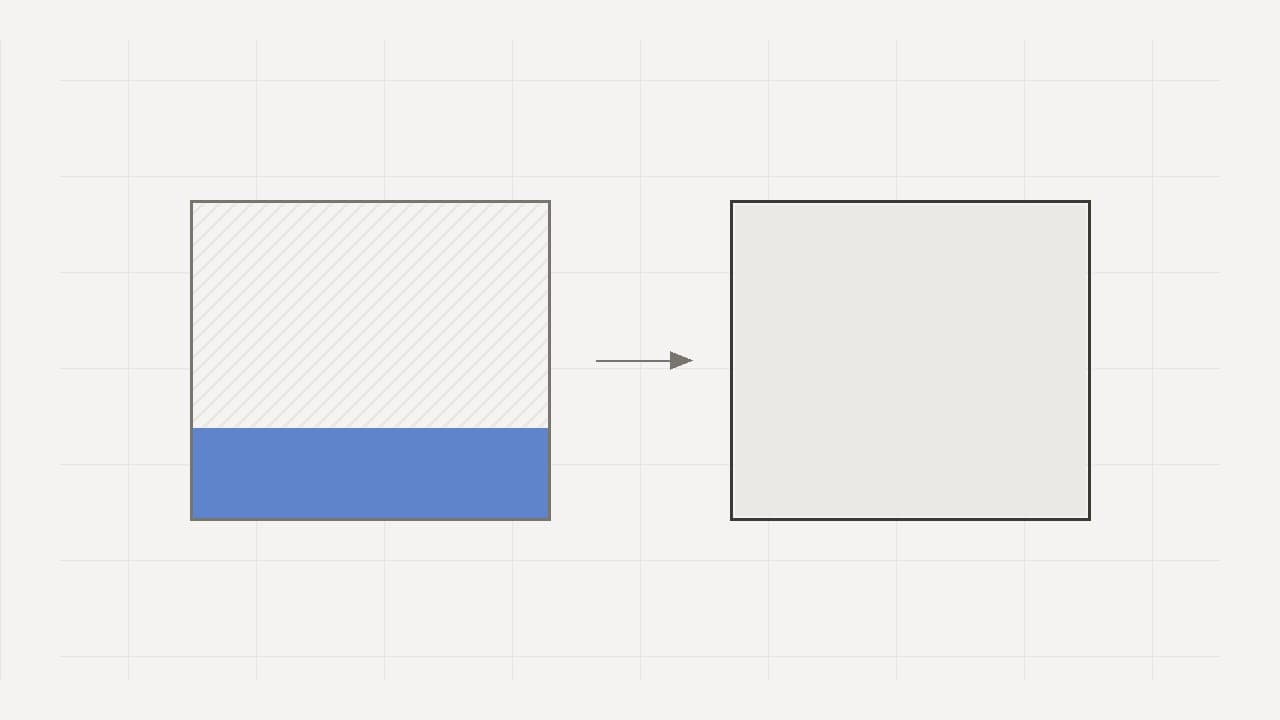
A proprietary trading firm sells you an evaluation and, if you pass it, pays you a share of the profit you make on capital that stays theirs. A broker opens an account in your name and you trade your own money on it. Almost every practical difference — who can lose, who holds the cash, who a regulator protects, and what a good month is worth — follows from that one distinction.
Whose money is at risk
On a broker account the money is yours. It sits in an account in your name, you can withdraw it, and if the market moves against you it is your balance that falls. There is nothing to pass and nothing to buy before you start.
In the common prop-firm arrangement you never own the capital and, in most models, never trade it directly. You buy an evaluation for a fee. If you meet its targets without breaking its rules, you are given an account with a stated size and a contract that pays you a percentage of the profit recorded on it. Whether real money is traded behind that account varies by firm and is frequently not disclosed. In a large part of the industry it is not: the account is simulated, and the firm's own exposure is the fees it collects and the payouts it owes.
That is not automatically a criticism. A simulated account cannot be margin called into a debt. But it changes what you are: not a client with money at a firm, but a counterparty to a performance contract. It is worth knowing which one you are before you argue about a payout.
Who holds the cash, and what protects it
This is the difference that matters when something goes wrong.
A regulated broker holds client money under rules about where it may be kept and what it may be used for — segregated client funds means your balance is held apart from the firm's own working capital, so it is not available to the firm's creditors. There is a regulator with a register you can search, a complaints procedure, and a published licence you can verify yourself rather than take on trust.
A challenge fee is not client money. It is a payment for a product, and the firm holds it as revenue. The account you are given afterwards is a contractual entitlement, not a balance you own. If the firm stops paying, your recourse is contract law in whichever jurisdiction it is written for, not a financial regulator — and many firms are deliberately structured so that no financial regulator is involved at all. Some are genuinely licensed and say which regulator and under what permission. That claim is checkable, and checking it is the single most useful thing to do before paying for anything.
What the profit split is actually worth
An 80 or 90 per cent profit split reads as generous next to a broker account, where you keep everything. The comparison only works if the two sides are measured the same way.
Consider a trader who makes 4 per cent in a month. On a $100,000 funded account at an 80 per cent split, that is $4,000 of recorded profit and $3,200 paid, less whatever the evaluation cost. On a live account, 4 per cent of the trader's own $10,000 is $400, and all of it is theirs.
The funded account is plainly better in that month. What the comparison leaves out is every month it does not happen: the evaluations that were bought and failed, each one a real payment out of the trader's own pocket, and the fact that the $100,000 was never at the trader's disposal. The live account's $400 arrives on a smaller base and is not conditional on anything. The honest summary is that a funded account converts your own capital requirement into a repeated fee and a set of rules, and whether that trade is good depends entirely on how often you pass — which is the subject of what the pass rates actually say.
The rules are the product
A broker account has constraints — margin requirements, leverage limits, and the costs of trading — and within them you may trade how you like. Hold overnight, hold through a data release, stop for a month, risk your whole balance on one position if you insist.
A funded account adds a second layer that has nothing to do with the market: a daily loss limit, a maximum drawdown, minimum trading days, often a consistency rule, and restrictions around news and weekends. Breaking one ends the account whether or not you are ahead overall. These are not incidental terms; they are the mechanism by which the arrangement works, and they are what the rules, read properly is about.
What each one requires of you
A broker account requires capital. That is its barrier, and it is a real one: a trader with $2,000 and a sound approach may need years for the account to matter financially, and trading it more aggressively to compensate is how most small accounts end.
A prop firm requires a fee, a demonstrable edge and the discipline to survive rules that punish variance. Its barrier is not capital but consistency — and consistency under someone else's definition, on their clock.
Both require the same underlying thing, which neither sells: an approach with a positive expectancy after costs, applied at a size you can survive. A trading plan and honest risk management are the prerequisite on either path, not an alternative to one.
Where each fails
A broker account fails quietly. Nobody stops you, so a run of poor decisions simply reduces the balance until the account is too small to matter. Leverage makes that faster than most people expect.
A funded account fails abruptly and often for reasons that are not losses. A trader can be up for the month and be removed for a single day's drawdown, a position held into a news release, or a lot size that broke a consistency rule. The fee is spent, and the standard next step offered is another fee.
There is a third failure that belongs to neither and to both: paying for an evaluation with money that was needed elsewhere. A challenge fee is a real cost with a low probability of a return, and treating it as an investment rather than a purchase is where it does the most damage.
If you are deciding
Read the contract of any firm you are considering, particularly the payout conditions, the definition of each rule, and what happens to your account if the firm changes its terms. Check whether a regulator is involved and what the permission actually covers. Ask whether the account is simulated. And price the evaluation honestly: not as an investment with a return, but as the cost of an attempt, multiplied by the number of attempts you are realistically prepared to make.
If the answer is a live account, what opening one involves and the difference between account types are the practical next reads.
Written by the Ultimo Research Desk and checked against our own contract specifications and client agreement before publication; reviewed again when those change. Educational only — nothing here is a recommendation to trade. Spotted an error? Tell us.