Trading approaches: what each one requires, and where it fails.
10 approaches, one guide each. Every guide sets out what the approach is, what it requires in time at the screen, capital and execution, how it is usually implemented, a worked example that shows the costs on both a favourable and an adverse outcome, and the market conditions and behavioural errors that have historically caused it to fail. None of the guides recommends an approach or describes any rule as profitable; each closes with who the approach does and does not suit.
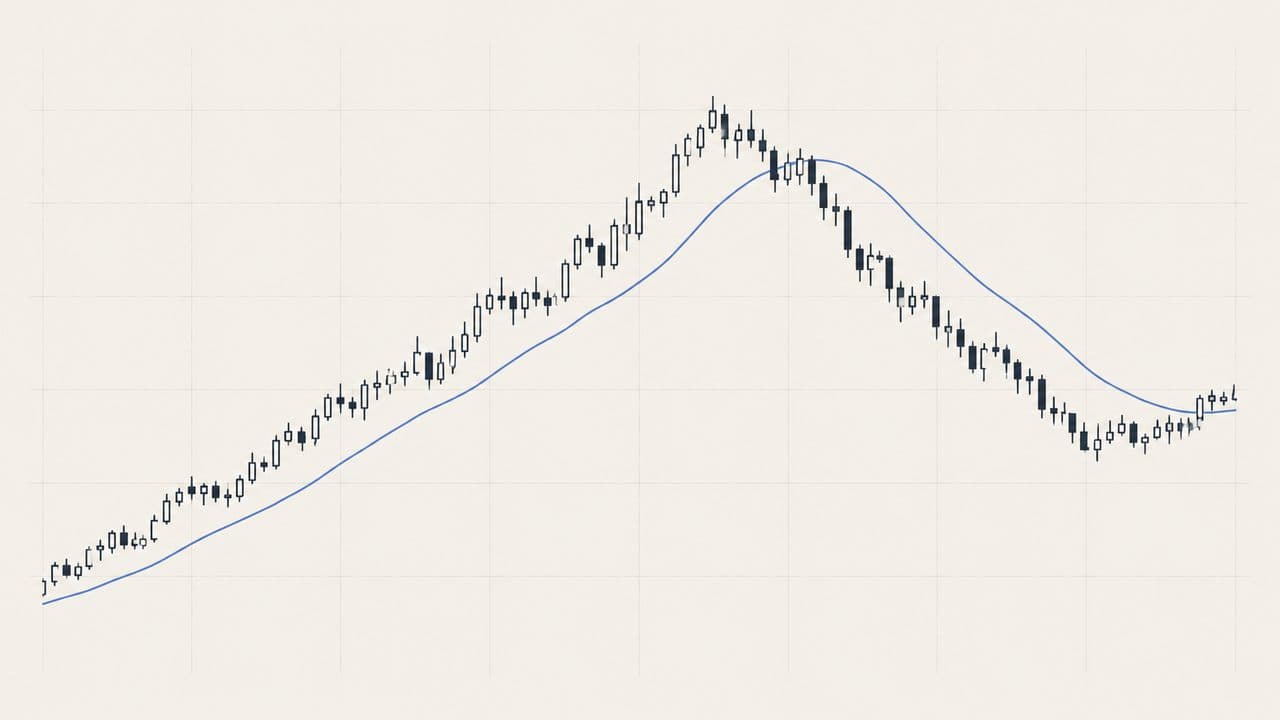
01 · 6 minute read
Trend Following: What It Is, What It Requires and Where It Fails
Holding exposure in the direction of a sustained move and reducing it when the direction changes. Depends on persistence outlasting the delayed entry.
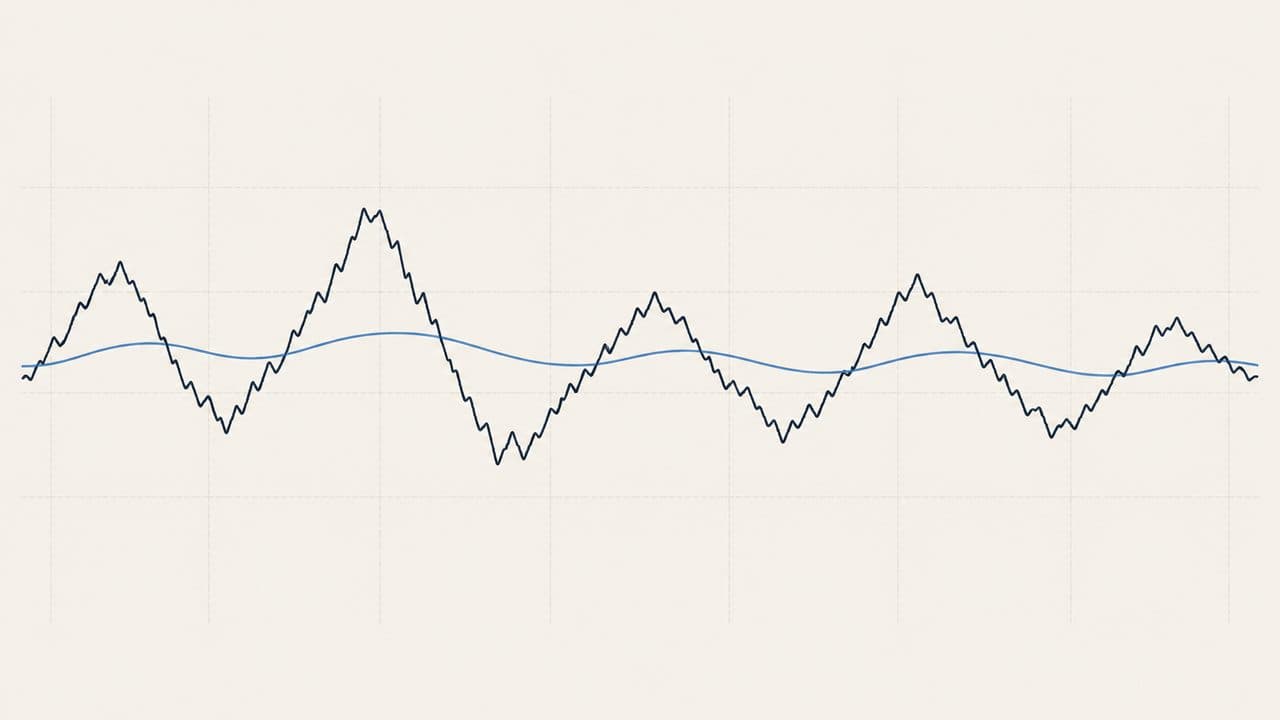
02 · 6 minute read
Mean Reversion: What It Is, What It Requires and Where It Fails
Trading a deviation from a defined reference on the expectation that it narrows. Depends on the reference remaining valid.
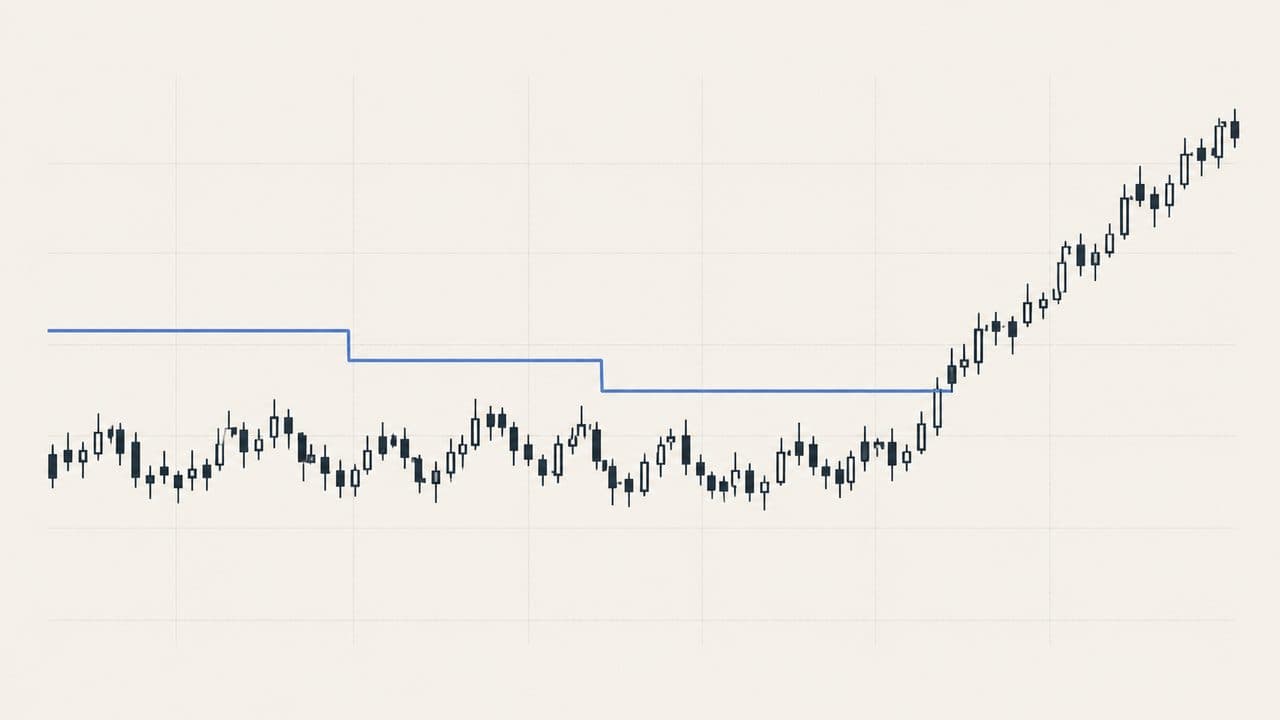
03 · 6 minute read
Breakout Trading: What It Is, What It Requires and Where It Fails
Entering when price moves beyond a defined range or boundary. Depends on the move after the boundary outweighing false breaks.
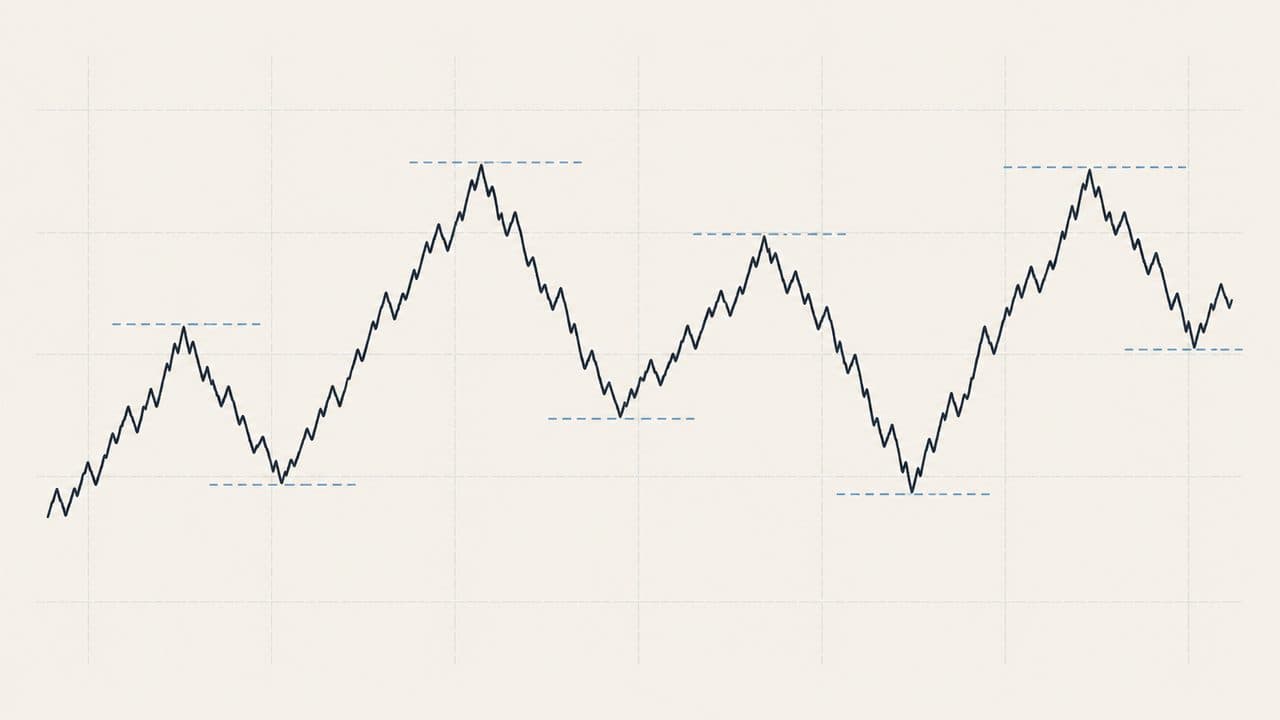
04 · 6 minute read
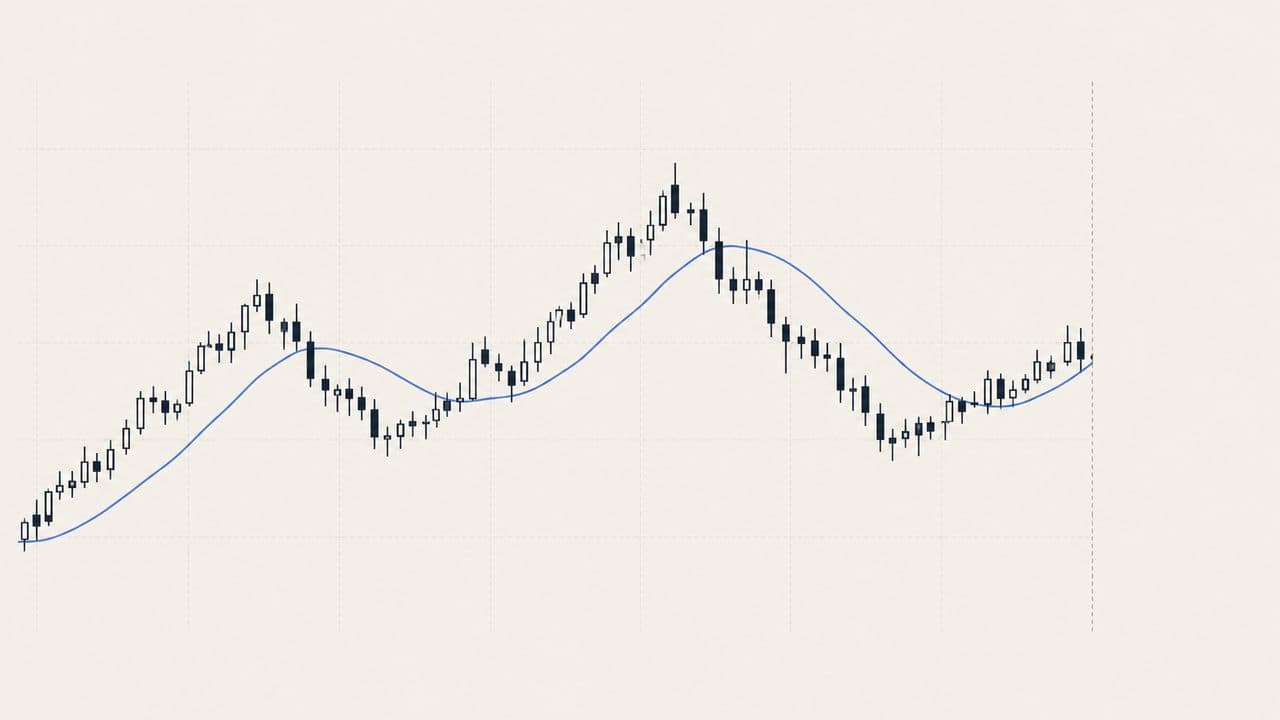
Swing Trading: What It Is, What It Requires and Where It Fails
Holding for an intermediate move of several days to weeks. Carries overnight exposure and financing.
05 · 6 minute read
Day Trading: What It Is, What It Requires and Where It Fails
Opening and closing within one session. Concentrates dealing costs and decision frequency into short intervals.
06 · 6 minute read
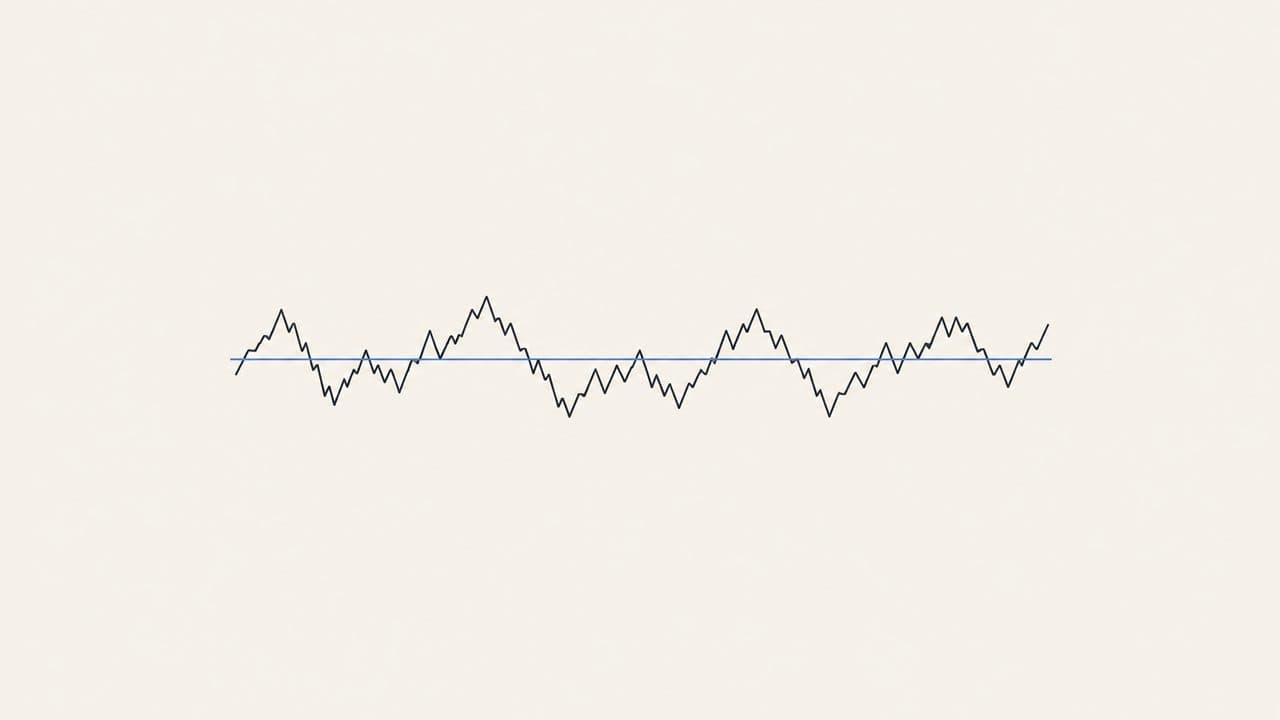
Scalping: What It Is, What It Requires and Where It Fails
Very short holding periods for very small movements. The most sensitive approach to spread, commission and execution delay.

07 · 5 minute read
Carry Trading: What It Is, What It Requires and Where It Fails
Holding a higher-yielding exposure against a lower-yielding one. Accrues a differential while remaining exposed to abrupt price moves.
08 · 6 minute read
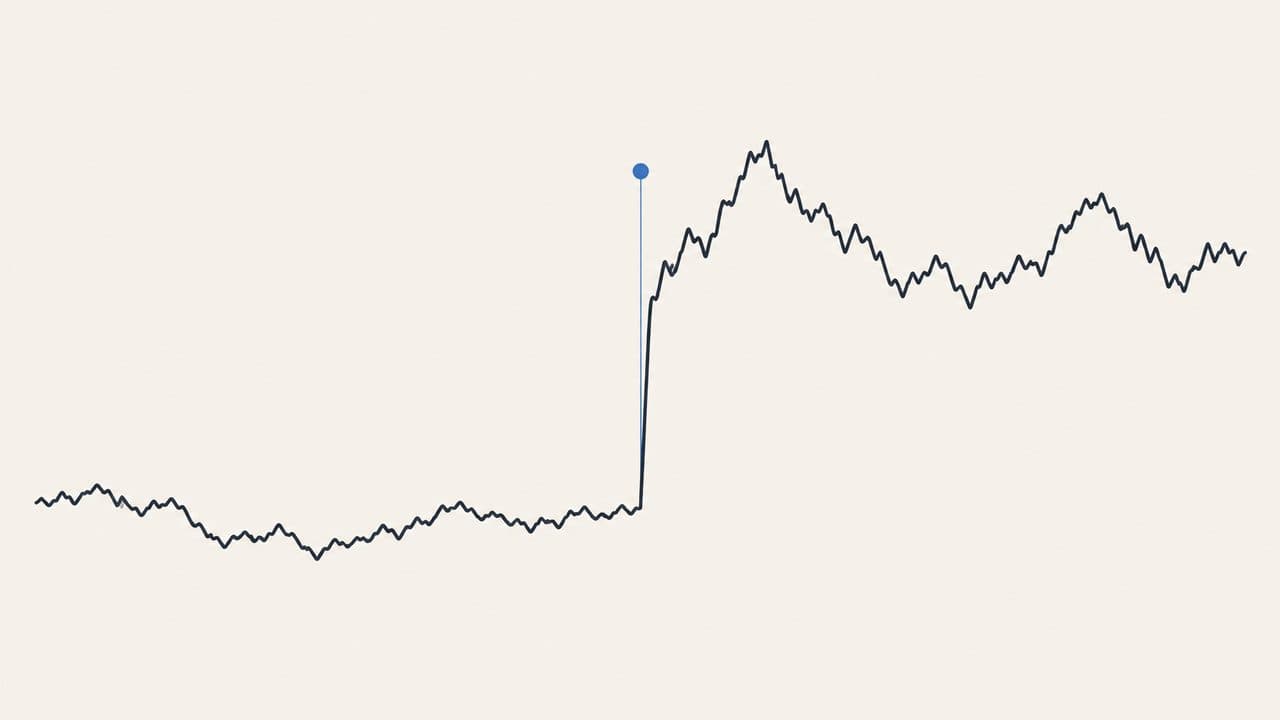
News and Event Trading: What It Is, What It Requires and Where It Fails
Taking exposure around scheduled or unscheduled information. Exposed to gaps, wider spreads and uncertain interpretation.

09 · 6 minute read
Arbitrage and Latency Strategies: What They Are, What They Require and Where They Fail
Capturing price differences between equivalent exposures. Requires simultaneous executable access that a retail CFD account does not provide.
10 · 6 minute read
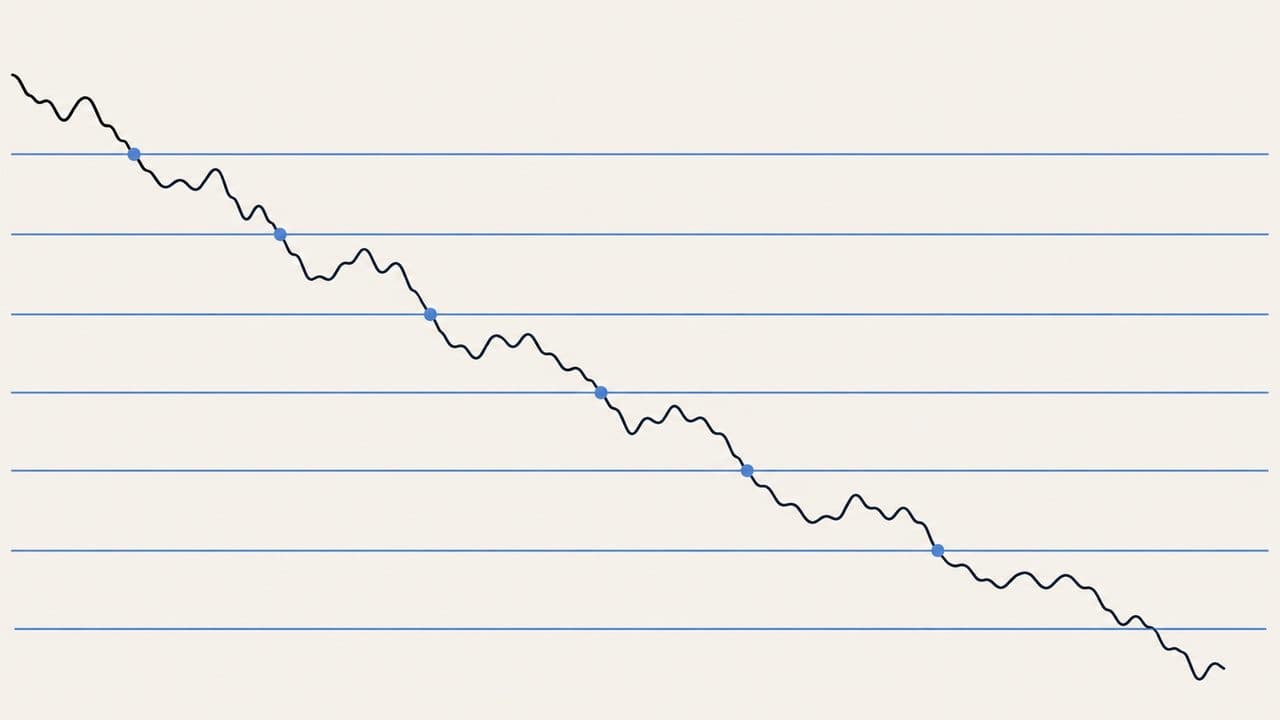
Grid and Martingale Systems: What They Are, What They Require and Where They Fail
Orders at fixed intervals, often with increasing size after losses. Converts repeated small gains into a large loss in a one-way move.
The indicators these approaches use
Moving averages, channels, ATR and the other tools referred to in these guides each have a guide of their own: what it measures, the formula with a worked example, and its known limitations.
Educational content. Nothing on this page is investment advice or a recommendation to adopt any approach. Trading leveraged products involves significant risk of loss.